 LLM Audit
Introduction:
Large language model (LLM) citations are transforming how content is discovered online. As AI assistants like ChatGPT and Gemini deliver direct answers, they often cite trusted sources to support their responses. Understanding how LLM citations work is essential for brands and publishers looking to build authority, increase visibility, and drive high-intent traffic in the AI search era. Search behavior is changing fast. Instead of scrolling through ten blue links, users increasingly rely on AI assistants and large language models (LLMs) to deliver direct answers. Whether it’s ChatGPT, Claude, Gemini, or Perplexity, these systems summarize information and often cite sources to support their responses.
For brands, publishers, and creators, being cited inside AI answers is becoming as valuable as ranking on Google’s first page. LLM citations can drive qualified traffic, enhance authority, and build long-term trust signals across the web.
This guide explains what LLM citations are, why they matter, how they work, and how you can systematically earn more of them.
What Are LLM Citations?
LLM citations are references that AI systems include when they use external content to generate answers. These citations may appear as:
- Source links
- Website mentions
- Attributed statistics
- Quoted insights
- Brand references
Unlike traditional search rankings, LLM citations are not limited to a results page. They are embedded directly inside the answer users read.
Example Scenario
A user asks:
“What is the average conversion rate for e-commerce websites?”
An AI response may include:
- A statistic attributed to a research firm
- A link to a study
- A brand mention citing original data
That attribution is an LLM citation.
Why Citations Matter for Your Brand
Being cited by AI systems offers benefits beyond traditional SEO.
1. Authority and Trust Signals
When an AI assistant references your content, it signals credibility and expertise.
2. High-Intent Traffic
Users who click cited sources are often seeking deeper insight, making them more likely to convert.
3. Brand Visibility in AI Interfaces
As AI replaces traditional search interactions, citations ensure your brand remains visible.
4. Thought Leadership Positioning
Frequent citations reinforce your reputation as an authoritative voice in your niche.
5. Long-Term Discoverability
Unlike search rankings, which fluctuate, well-cited sources can remain referenced over long periods.
How LLM Citations Work
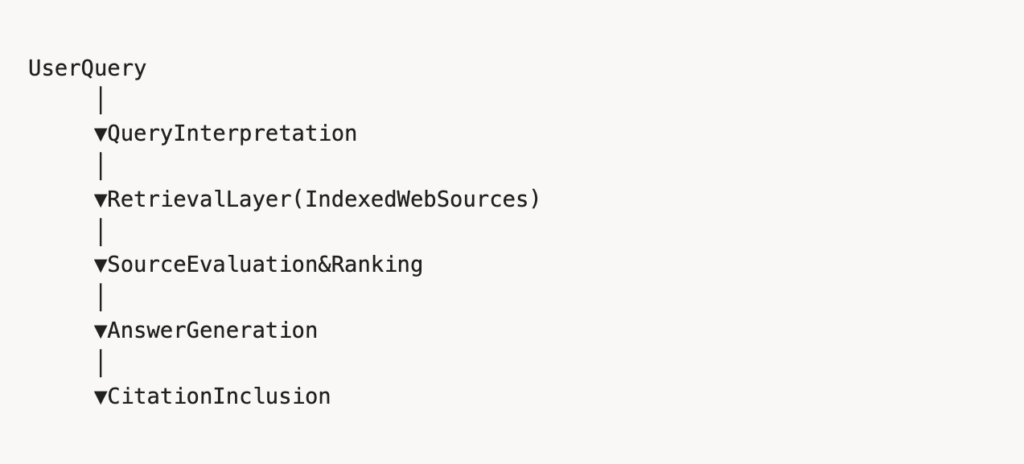
LLMs do not “browse” like humans. Instead, they rely on training data, retrieval systems, and real-time indexing tools to construct answers.
Below is a simplified workflow:
Key Mechanisms
1. Retrieval-Augmented Generation (RAG)
Many AI systems retrieve relevant documents before generating answers.
2. Authority Filtering
Content from credible domains is prioritized.
3. Fact Validation
LLMs prefer sources containing verifiable data.
4. Structured Information Extraction
Clear headings, lists, and data improve extraction accuracy.
What LLMs Look for When Citing Sources
AI systems prioritize sources that maximize accuracy, clarity, and reliability.
Primary Citation Factors
| Factor | Why It Matters |
|---|---|
| Topical relevance | Matches the user’s query intent |
| Authority & trust | Signals credibility |
| Original data | Adds unique value |
| Clarity & structure | Easier to extract information |
| Freshness | Ensures up-to-date answers |
| Semantic depth | Covers topic comprehensively |
| Neutral tone | Reduces bias and improves trust |
Authority vs Relevance Balance
High Authority + High Relevance   → Most likely cited
High Authority + Low Relevance    → Occasionally cited
Low Authority + High Relevance    → Sometimes cited
Low Authority + Low Relevance     → Rarely cited
This means even smaller websites can earn citations if their content directly answers specific questions better than large publishers.
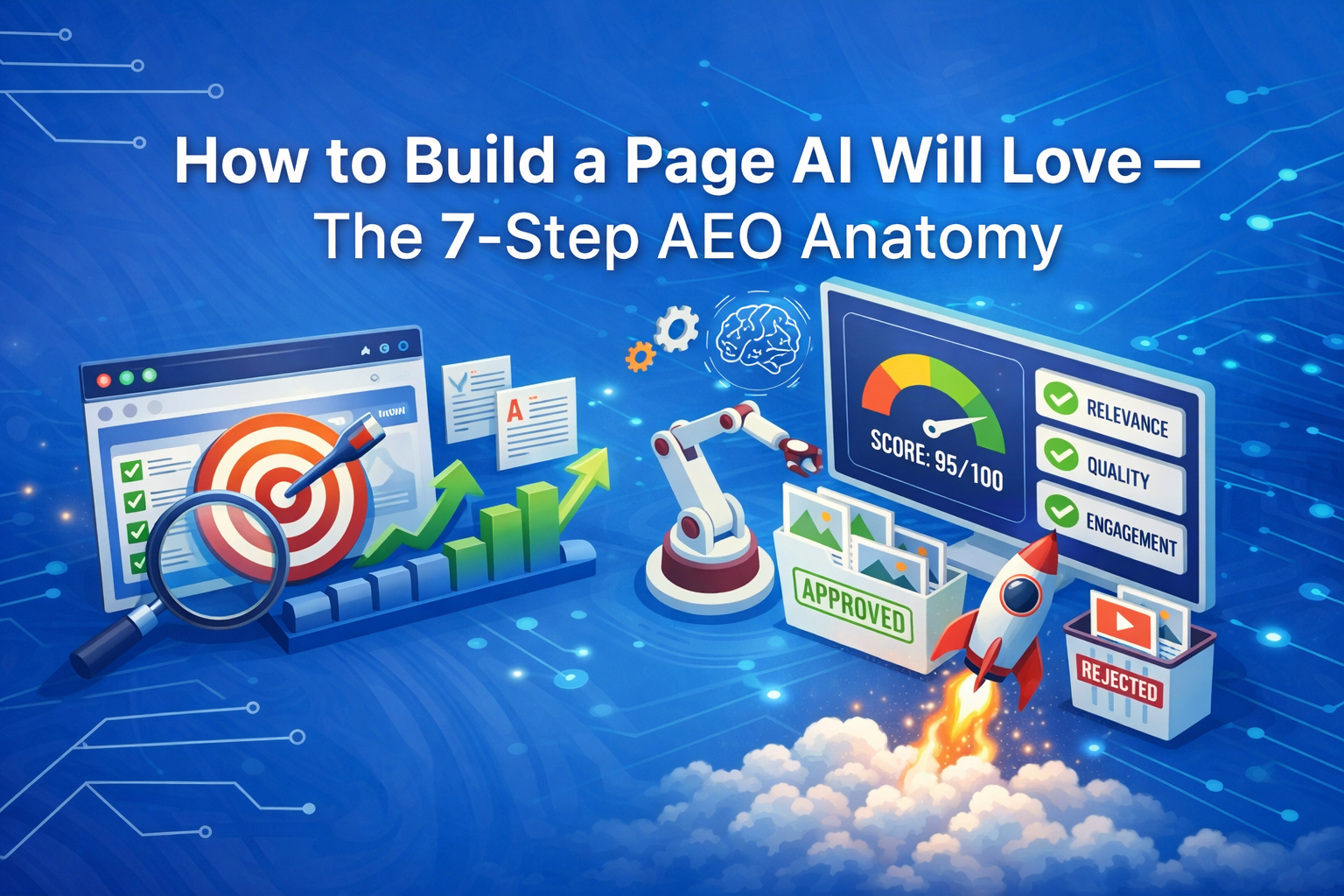
Anatomy of a Highly Citable Page
Not all pages are equally citable. LLMs prefer content structured for clarity, depth, and extractability.
Core Components
1. Clear Answer First
Start with a concise explanation addressing the main query.
2. Structured Headings
Use logical sections that help AI identify content hierarchy.
3. Data & Statistics
Original research, benchmarks, and quantified insights increase citation likelihood.
4. Definitions & Summaries
Provide simple definitions that AI can quote directly.
5. Tables & Comparisons
Structured comparisons improve extractability.
6. Neutral, Informational Tone
Avoid excessive promotional language.
Example Layout of a Citable Page
Title
Intro Definition
Quick AnswerSummary
Detailed Explanation
Supporting Data
Expert Insights
FAQsReferences & Sources
7 Strategies for Getting More Citations in LLM Answers
1. Publish Original Research & Data
AI systems frequently cite:
- Surveys
- Industry benchmarks
- Case studies
- Market statistics
Tip: Publish yearly reports or datasets.
2. Answer Specific Questions Clearly
Create pages targeting:
- “What is…”
- “How does…”
- “Why does…”
These match common AI query formats.
3. Use Structured Formatting
Improve machine readability by using:
- Bullet lists
- Tables
- Step-by-step instructions
- Summary boxes
4. Build Topical Authority
Create clusters around core themes:
Pillar Topic
   ├── Supporting Article
   ├── Case Study
   ├── FAQ Guide
   └── Data Report
This signals expertise and improves citation frequency.
5. Earn High-Quality Mentions & Links
LLMs prioritize trusted domains and sources frequently referenced across the web.
Focus on:
- Industry publications
- Research collaborations
- Expert interviews
6. Keep Content Updated
Outdated data reduces citation likelihood.
Update:
- Statistics
- Trends
- Regulations
- Market insights
Freshness improves trust.
7. Optimize for Semantic Depth
Cover topics comprehensively rather than superficially.
Include:
- Definitions
- Context
- Comparisons
- Use cases
- Pros & cons
Deep coverage improves relevance scoring.
Citation Probability by Content Type
Original Research        ████████████████  (High)
Industry Reports         ██████████████    (High)
Step-by-Step Guides      ███████████       (Medium-High)
Expert Roundups          █████████         (Medium)
Opinion Blogs            █████             (Low)
Sales Pages              ██                (Very Low)
Content that educates performs significantly better than content that sells.
How to Monitor LLM Citations
Tracking AI citations is still evolving, but several approaches can help.
1. Manual Prompt Monitoring
Search AI tools using key queries:
- “Best tools for ___”
- “Statistics on ___”
- “How to ___”
Record when your brand appears.
2. Brand Mention Tracking Tools
Monitor mentions across web and AI summaries using:
- Brand monitoring platforms
- Media tracking tools
- Social listening software
3. Traffic Pattern Analysis
AI citations often produce:
- Sudden spikes in referral traffic
- New direct visits
- Increased branded searches
Watch analytics for unusual patterns.
4. AI Visibility Tracking Tools
New SEO tools now monitor AI visibility and answer citations.
Key metrics include:
- AI mentions
- Answer inclusion rate
- Source authority scoring
Businesses can monitor AI brand visibility using tools like llmaudit.ai, while platforms such as Semrush provide additional insights into brand mentions, search visibility, and online presence.
Example Monitoring Workflow
Identify target queries
        │
Run prompts in AI tools weekly
        │
Log citations & mentions
        │
Track referral & branded traffic
        │
Update & optimize content
LLM Citations vs Traditional SEO: Key Differences
| Aspect | Traditional SEO | LLM Citations |
|---|---|---|
| Placement | Search results | Inside answers |
| Visibility | Click required | Seen instantly |
| Ranking factors | Links & keywords | Authority + clarity |
| Traffic | Broad | High intent |
| Content priority | Optimization | Information quality |
Both strategies should work together, not in isolation.
Future of AI Citations and Search Visibility
AI-driven answers will continue reshaping digital discovery. As AI assistants become primary information gateways, citation visibility will rival traditional search rankings in importance.
Brands that invest in authoritative, structured, and data-driven content today will gain compounding visibility benefits.
Final Thoughts
Earning LLM citations is not about gaming algorithms. It is about becoming a reliable source of truth.
To increase your chances of being cited:
- Publish original, data-backed insights
- Answer questions clearly and concisely
- Structure content for easy extraction
- Build topical authority
- Maintain accuracy and freshness
- Monitor AI visibility trends
Organizations that adapt early will benefit from increased trust, authority, and high-quality traffic in the AI-first search era.
By focusing on clarity, credibility, and usefulness, you position your content not just to rank — but to be referenced, trusted, and surfaced wherever answers are delivered