 LLM Audit
Introduction:
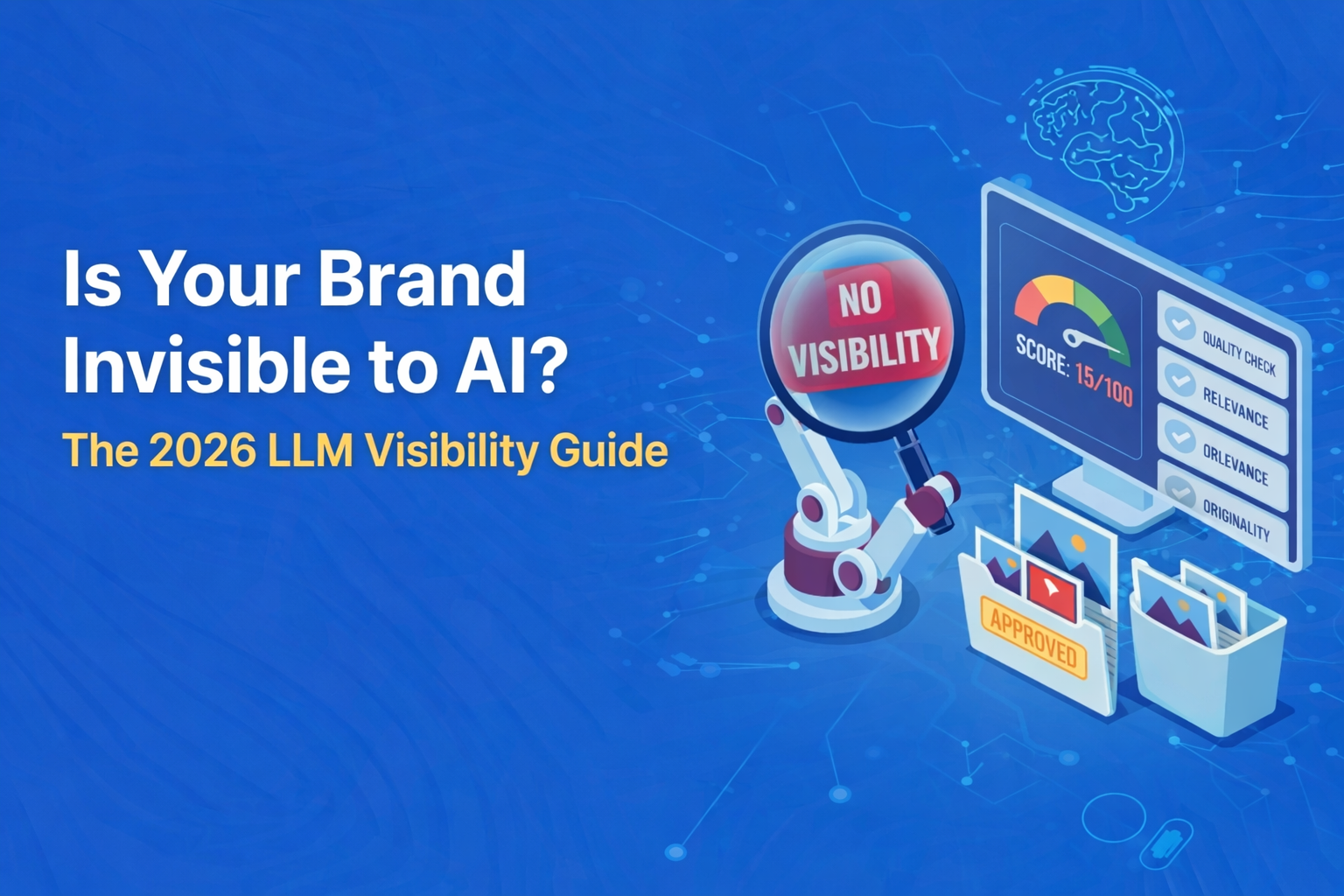
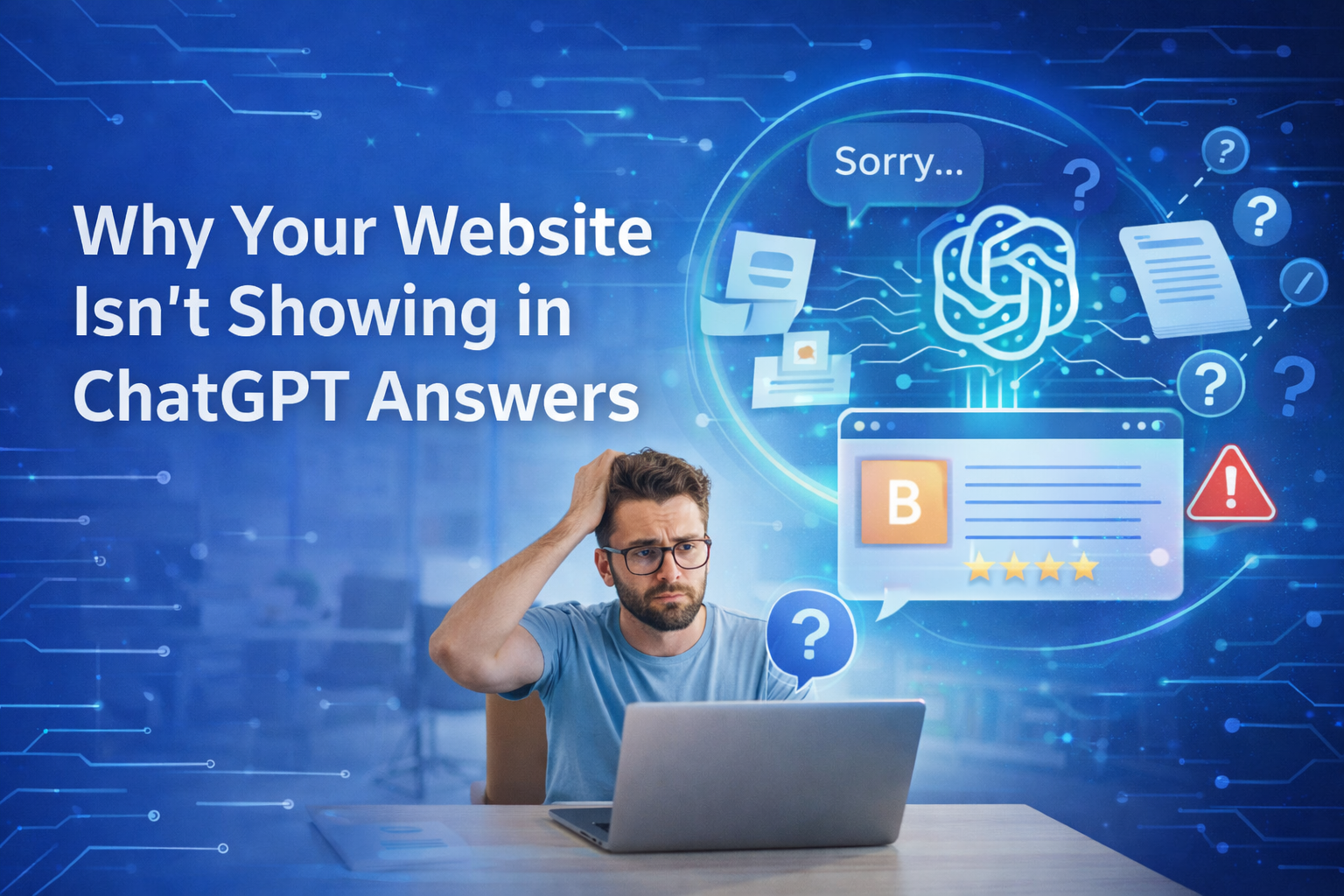
Many businesses face ChatGPT visibility issues even when their websites rank well in traditional search results. As users increasingly rely on AI-generated answers for recommendations, brands that are not cited risk losing visibility and trust during the decision-making process. Understanding why AI systems fail to mention your website is the first step toward improving citation eligibility and AI search presence.
More people are asking AI platforms like ChatGPT for recommendations instead of browsing search results. Queries like:
- best CRM for startups
- top SEO tools for agencies
- best budgeting apps
return curated answers rather than a list of links.
If your website isn’t mentioned, you lose visibility before users even visit search engines.
Understanding why your website isn’t showing in ChatGPT answers is the first step toward improving AI visibility and citation eligibility.
The Shift from Rankings to AI Recommendations
Traditional SEO prioritized ranking on search engine results pages. AI search prioritizes trusted recommendations.
This shift means:
- fewer clicks from traditional search
- increased zero-click answers
- authority outweighs keyword rankings
- trust signals influence visibility
Being recommended by AI builds credibility and influences decisions earlier in the buyer journey.
You May Rank But Still Be Invisible
Many businesses assume strong SEO guarantees visibility everywhere. However:
- competitors appear in AI answers while you don’t
- AI mentions generic or well-known brands instead
- your expertise is not recognized
- your content is not cited as a trusted source
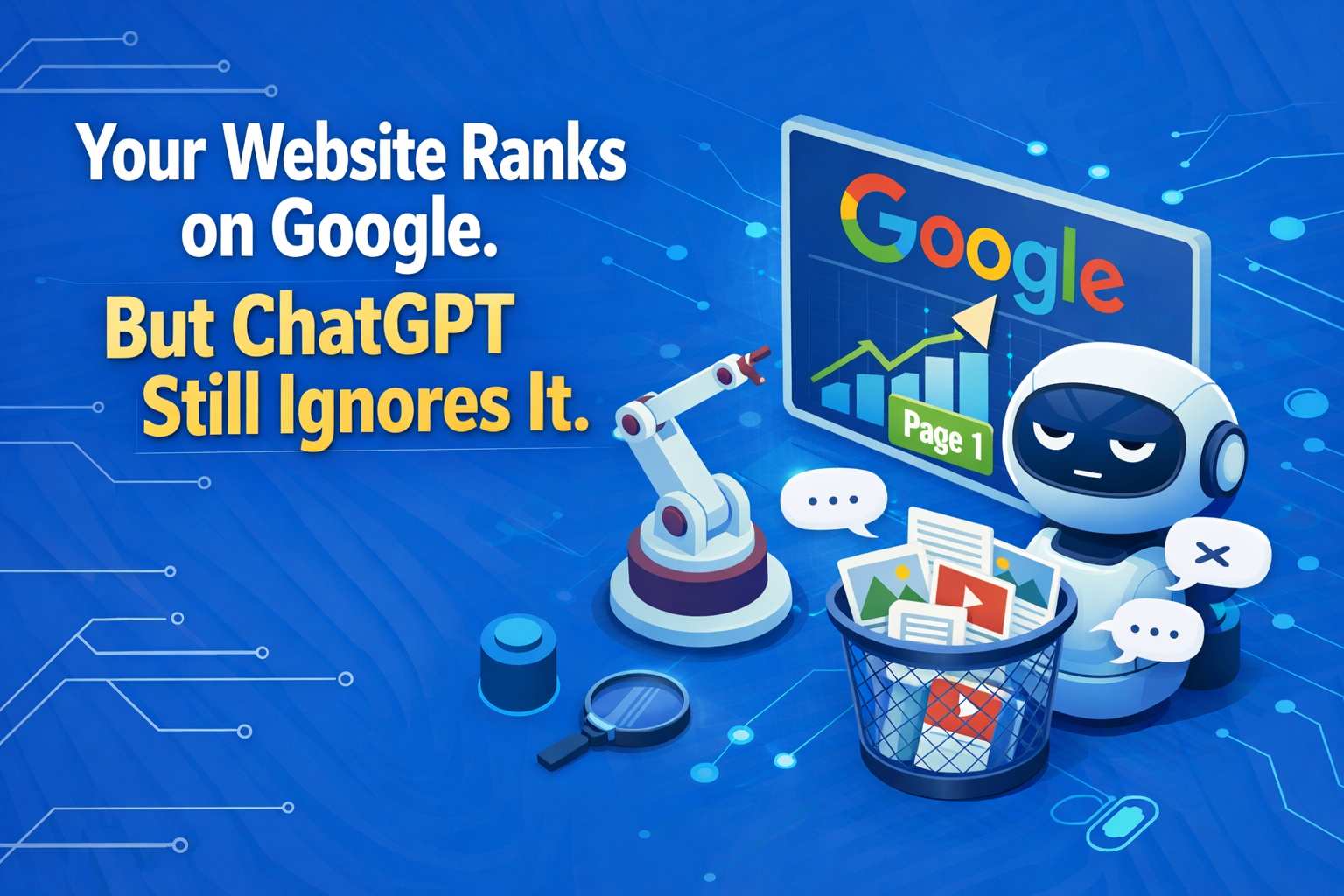
This disconnect creates a visibility gap between search rankings and AI recommendations.
How ChatGPT Selects Sources
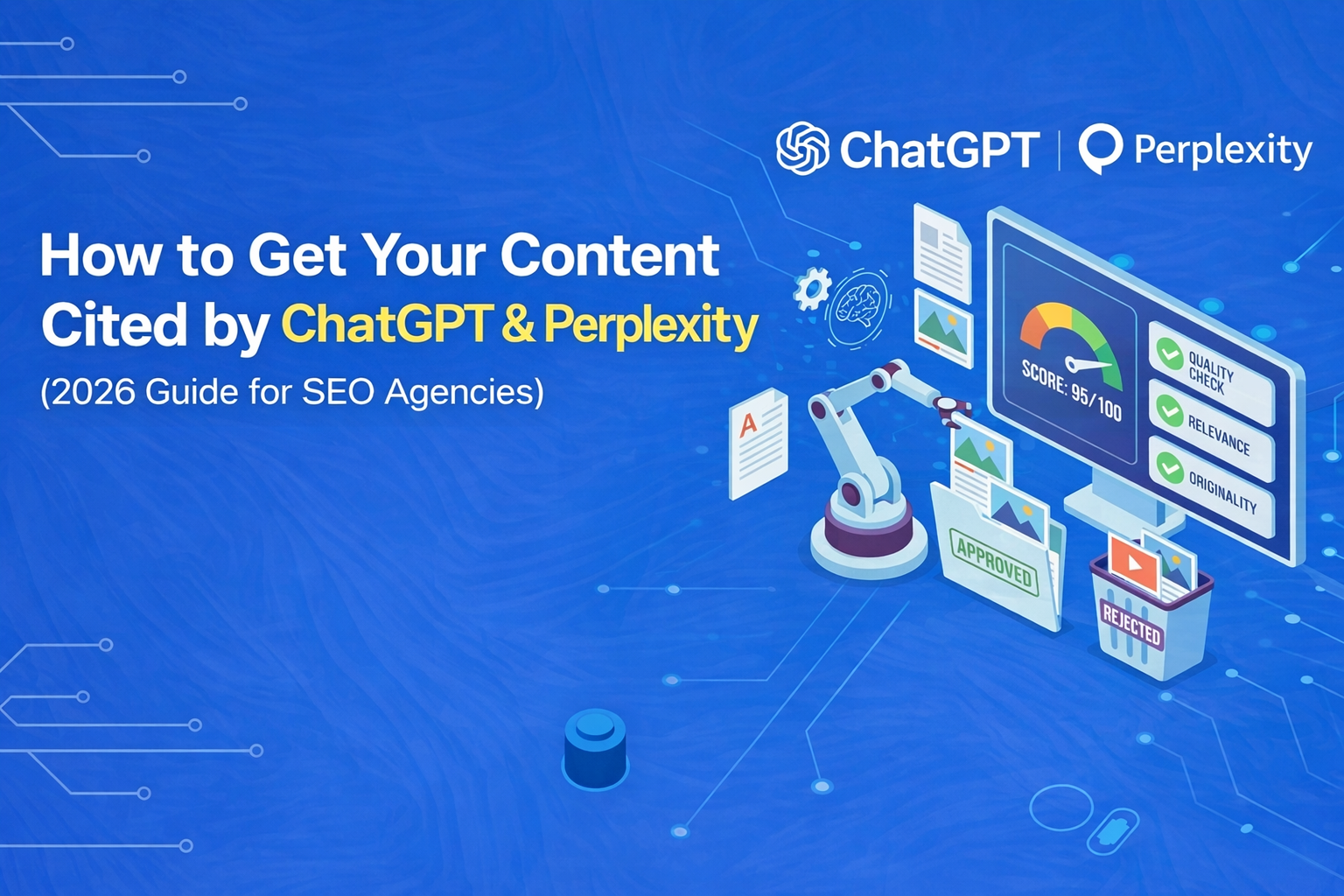
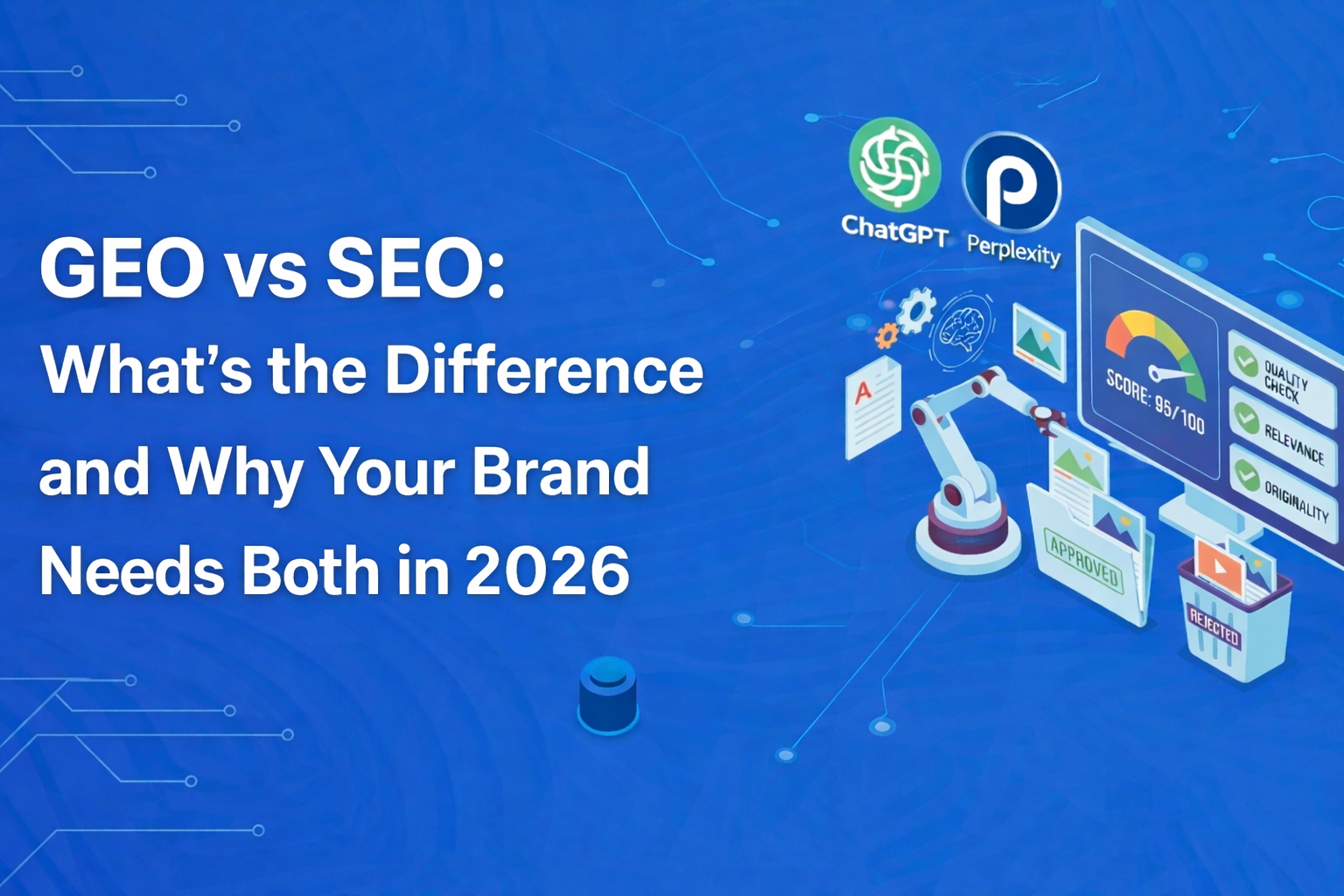
AI systems retrieve content and evaluate trust signals before generating answers.
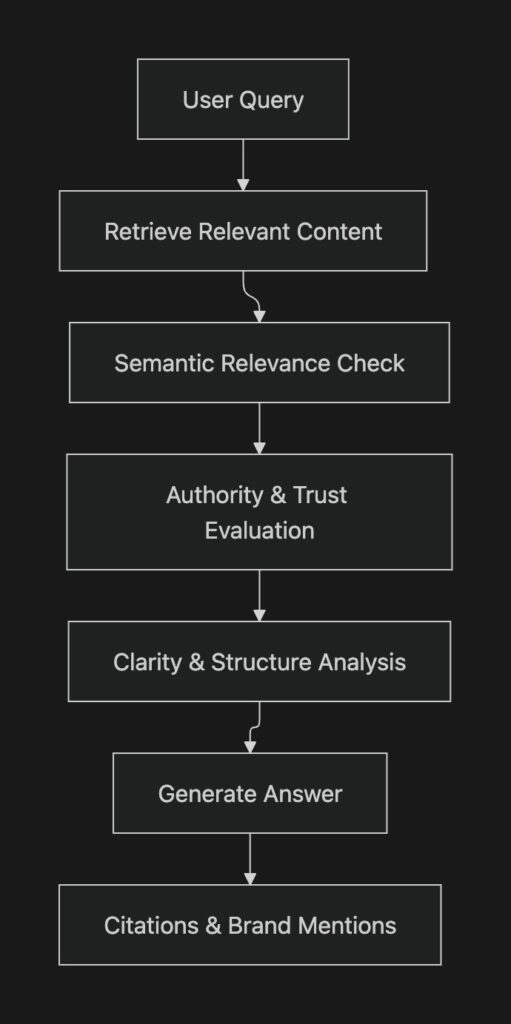
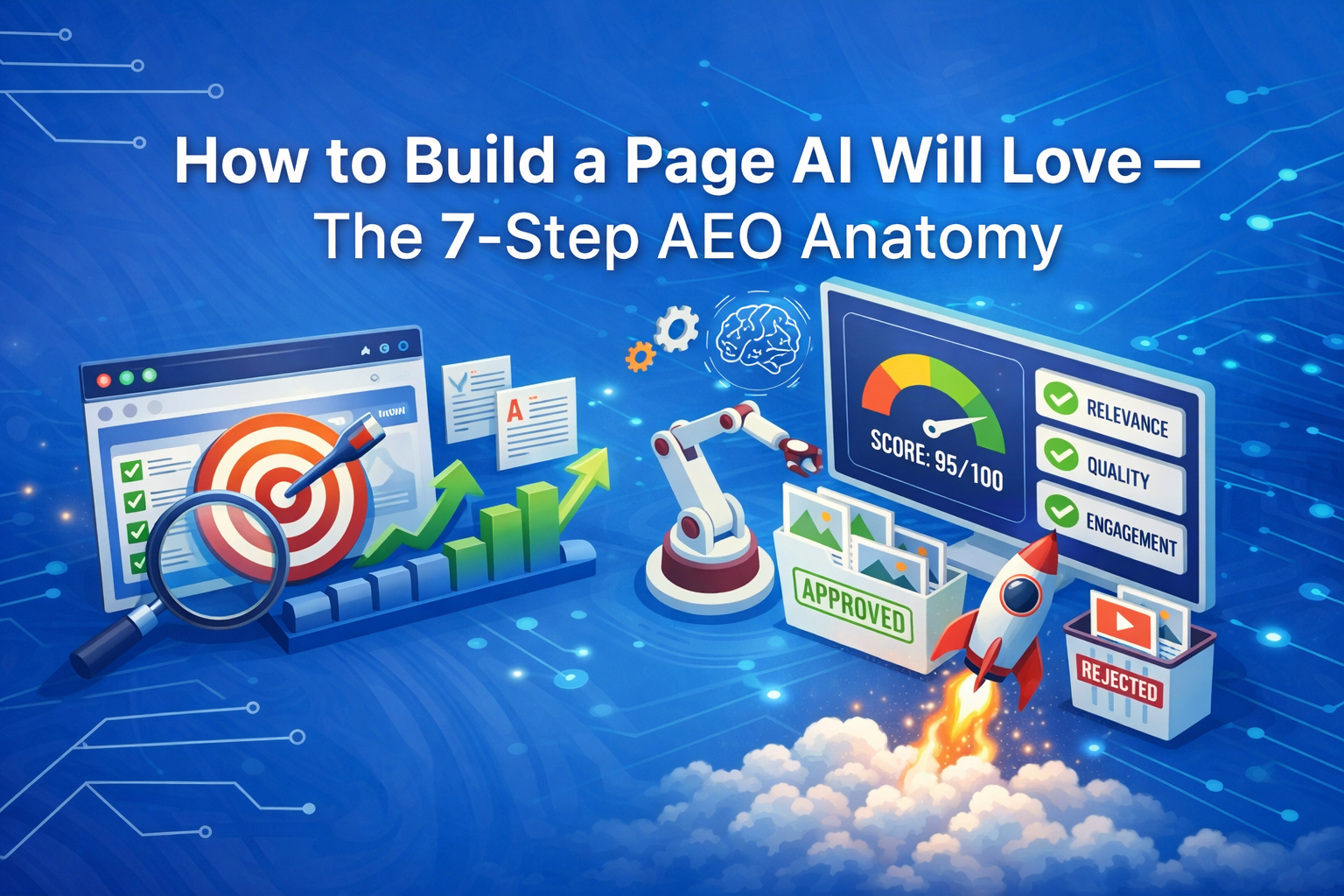
Content must pass multiple trust and relevance checks to be cited.
Top Reasons Your Website Isn’t Showing in ChatGPT Answers
1. Weak Entity Authority
AI systems rely on entity recognition to determine credibility.
If your brand lacks:
- authoritative mentions
- knowledge graph presence
- consistent references
AI may not recognize it as a trusted entity.
2. Lack of Trust Signals
AI prioritizes sources with strong credibility indicators.
Missing signals include:
- high-quality backlinks
- industry mentions
- expert citations
- consistent brand references
Without trust signals, AI may favor competitors.
3. Shallow or Incomplete Content
AI prefers content that fully answers user intent.
Thin content or keyword-stuffed pages often fail retrieval.
Content must:
- provide depth and clarity
- address real questions
- offer useful insights
4. Poor Content Structure & Clarity
AI systems interpret content more easily when it is structured.
Problems that reduce citation chances:
- long unstructured paragraphs
- unclear headings
- poor readability
- lack of summaries or bullet points
Clear formatting improves AI comprehension.
5. Weak Topical Authority
AI recommends sources recognized as subject experts.
If your website lacks topic depth or content clusters, AI may select more authoritative sources.
6. Inconsistent Brand Signals
Inconsistent naming, messaging, or descriptions across platforms can confuse AI systems.
Consistency strengthens recognition and trust.
One of the most common ChatGPT visibility issues is weak authority signals, which prevent AI systems from recognizing your website as a trusted source.
Signs Your Competitors Are Winning AI Visibility
Their:
- Brand appear in AI answers consistently
- Brand is recognized as an authority
- Brand is cited in comparison responses
- Content is referenced in recommendations
This indicates stronger trust and authority signals.
How to Diagnose Your AI Visibility Gap
Test real queries
Ask AI platforms about your industry.
Compare results
Check whether your brand appears and how competitors are positioned.
Analyze recommendation patterns
Identify which sources are repeatedly cited.
Manual testing provides insight but lacks scalability.
Tools to Analyze AI Visibility
1. AI Visibility & LLM Audit Tools
| Tool | Purpose | Best Use |
|---|---|---|
| llmaudit.ai | AI visibility & citation analysis | Identify authority gaps & improve recommendation eligibility |
| Perplexity AI | Citation testing | See real-time cited sources |
| ChatGPT query testing | Brand mention checks | Monitor visibility trends |
| Bing Copilot | AI answer monitoring | Compare recommendation presence |
Why llmaudit.ai stands out:
Tools like llmaudit.ai help diagnose ChatGPT visibility issues by identifying authority gaps and citation barriers.
2. Entity Authority & Reputation Tools
| Tool | Benefit |
|---|---|
| Google Knowledge Graph | Confirms entity recognition |
| Wikidata | Strengthens contextual authority |
| Brand monitoring platforms | Track credibility & mentions |
Strong entity signals improve trust and citation eligibility.
3. Content & Semantic Optimization Tools
| Tool | Benefit |
|---|---|
| SurferSEO | Improvest semantic relevance |
| Clearscope | Enhances topical completeness |
| MarketMuse | Builds authority depth |
These tools improve retrieval relevance for AI systems.
How AI Visibility Improves After Optimization

Improving trust and clarity increases citation eligibility.
How to Improve Your Chances of Being Recommended
Strengthen entity authority
Earn credible mentions and maintain consistent brand identity.
Build topical depth
Create content clusters and expert-level resources.
Improve semantic relevance
Answer user questions clearly and completely.
Enhance content structure
Use headings, summaries, and logical formatting.
Monitor AI visibility regularly
Track citations and identify gaps.
Common Mistakes That Prevent AI Citations
- focusing only on keyword rankings
- ignoring authority signals
- publishing shallow content
- inconsistent brand messaging
- failing to monitor AI visibility
Correcting these issues improves discoverability.
Business Impact of AI Recommendations
When your website appears in ChatGPT answers, you gain:
- higher trust positioning
- increased brand credibility
- high-intent traffic opportunities
- competitive differentiation
- stronger conversion potential
AI recommendations influence decisions before users visit websites.
Future of AI Search Visibility
AI search is shifting from link discovery to trusted recommendations. Businesses that strengthen authority, clarity, and trust signals will dominate visibility in the AI-first search ecosystem.
Final Insight
If your website isn’t showing in ChatGPT answers, it’s not a technical glitch — it’s a visibility and trust signal gap.
By strengthening authority, improving semantic clarity, and monitoring visibility with tools like llmaudit.ai, businesses can increase citation eligibility and AI recommendation presence.
In the evolving AI discovery landscape, being trusted and recommended is more powerful than simply being ranked.