AI is changing how people search, but one question keeps coming up: Is AI visibility actually driving real ROI, or is it just hype?
The short answer is yes, but not in the way most people expect. AI visibility is not a direct replacement for traditional SEO. It’s a different layer of visibility, and it impacts discovery, trust, and conversion in more subtle ways. Let’s break it down.
What Is AI Visibility (and Why It Matters)
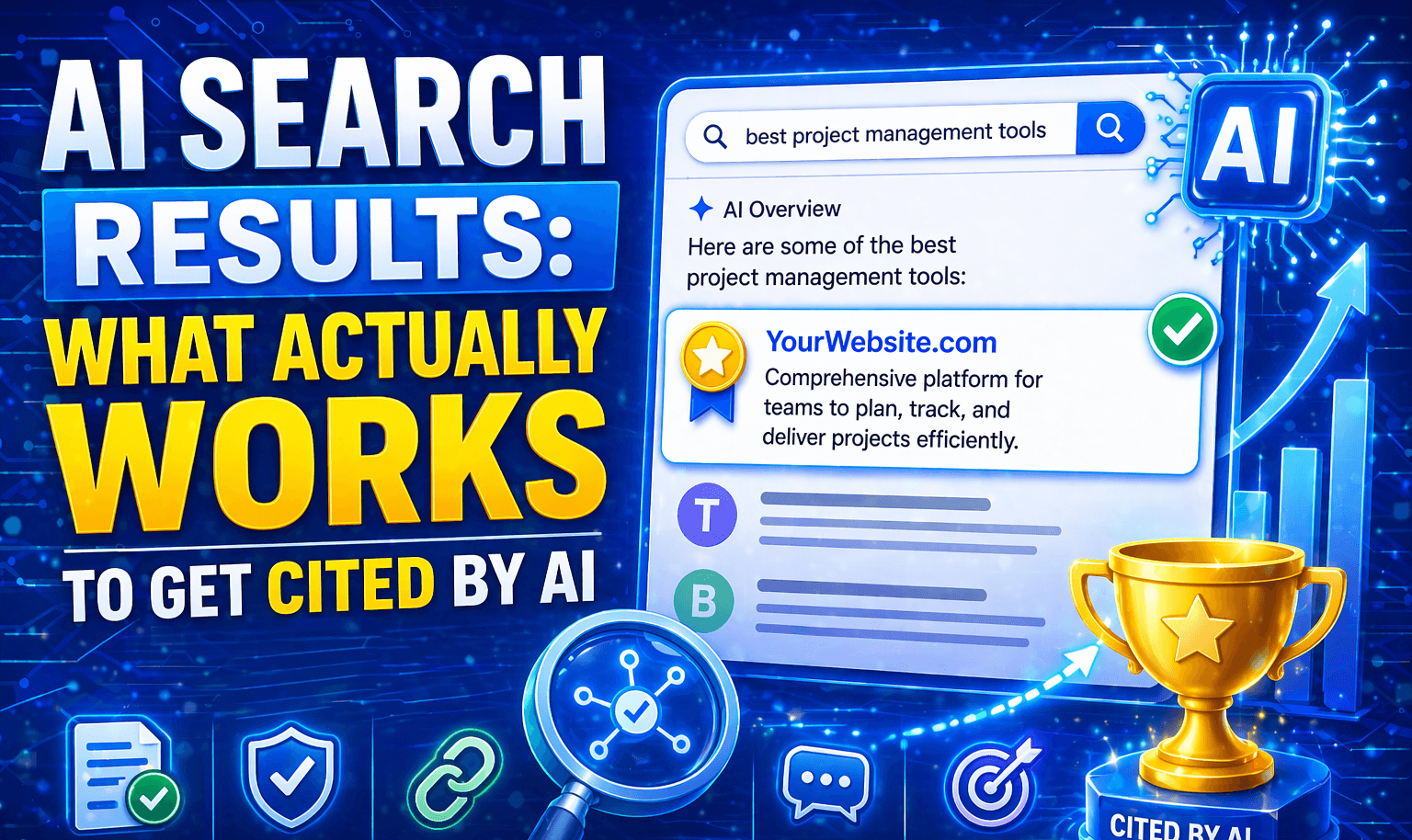
AI visibility refers to how often your brand, product, or content appears inside AI-generated answers across tools like ChatGPT, Gemini, or Perplexity.
Instead of showing links, these platforms generate responses and selectively include sources. That means your visibility depends on whether you’re picked, not just ranked.
This is where AI visibility starts to influence user behavior.
The ROI Problem: Why It Feels Unclear
A lot of teams struggle to measure ROI from AI visibility because it doesn’t behave like traditional SEO. Here’s what’s different:
- Users often don’t click links
- Traffic may not increase immediately
- Attribution is harder to track
So even if your AI visibility is increasing, it may not show up clearly in analytics. That’s why many people assume it’s not working.
Where AI Visibility Actually Drives ROI
The ROI from AI visibility shows up in a few key ways.
1. Early-Stage Discovery
AI tools are often used at the research stage. Users ask:
- “What’s the best tool for X?”
- “How does X compare to Y?”
If your brand appears here, you’re influencing the shortlist before users even visit a website. That’s real value, even if it’s not immediately measurable.
2. Trust and Validation
Even when users don’t click, they read. If your brand shows up consistently in AI answers, it builds familiarity and trust. Later, when users search again or see your brand elsewhere, they’re more likely to choose you. This is where AI visibility acts like a trust amplifier.
3. Higher Intent Conversions
Interestingly, users who come after seeing AI recommendations often convert better. Why? Because they’ve already:
- Compared options
- Understood the product
- Narrowed down choices
So while this may drive fewer clicks, those clicks can be higher quality.
4. Competitive Positioning
One of the biggest hidden benefits of AI is competitive insight. If your competitors are consistently being mentioned and you’re not, that’s a signal. It tells you:
- Where you’re losing visibility
- What kind of content AI prefers
- How positioning differs
This helps you improve faster.
Why Most Brands Aren’t Seeing ROI Yet
The reality is, most brands are still optimizing for the wrong thing. They focus on:
- Rankings
- Keywords
- Traffic
But AI systems care about:
- Clarity
- Structure
- Usefulness
If your content isn’t easy to extract and reuse, your visibility will stay low. That’s why ROI feels delayed.
What Actually Improves AI Visibility
From what we’re seeing, the brands that improve visibility focus on a few things:
- Clear, direct answers
- Structured content (headings, lists, comparisons)
- Specific use cases instead of generic claims
- FAQ-style sections
- Consistent messaging across pages
This makes it easier for AI tools to pick and reuse content.
Measuring ROI from AI Visibility
You can’t rely only on traditional metrics. Instead, look at:
- Mentions in AI answers
- Share of visibility vs competitors
- Conversion quality (not just volume)
- Branded search growth over time
Platforms like LLM Audit are built around this shift. They help you track visibility directly and understand how it connects to real outcomes, instead of relying only on indirect signals.
So… Is AI Visibility Worth It?
Yes, but you need to understand what you’re measuring. It
- Doesn’t always drive immediate traffic
- Works earlier in the funnel
- Influences decisions before clicks happen
It’s less about direct attribution and more about influence.
Final Thought
AI is changing how people discover and evaluate products. If your brand isn’t part of those AI-generated answers, you’re missing a growing part of the journey.
The ROI is real.
It’s just not always obvious.
And the teams that figure this out early will have a clear advantage.
FAQs
Not always directly. It often influences users earlier in their journey, which can lead to better-quality traffic later.
Focus on clear, structured, and useful content that AI systems can easily extract and reuse.
Look beyond traffic. Track mentions, competitor comparisons, and conversion quality to understand real impact.