Miss the AI conversation in your industry, and you miss the audience discovering you through it. This guide explains what AI visibility in AI chats is, why it matters, and how you can improve it.
Something significant is changing in the way people search for information. Instead of typing a query into Google and scrolling through ten blue links, a growing number of users are simply asking an AI. They open ChatGPT, Perplexity, Gemini, or Microsoft Copilot — and they expect a direct, confident answer. This shift is creating a brand new challenge for businesses and content creators: AI visibility in AI chats
What Does AI Visibility in AI Chats Actually Mean?
When we talk about AI visibility in AI chats, we mean the likelihood that your brand, website, product, or content is referenced when a user interacts with an AI-powered conversational tool. These tools — ChatGPT, Perplexity, Google’s AI Overviews, Claude, and others — pull from vast amounts of indexed web content to construct their responses.
Unlike traditional search visibility, which you can track through Google Search Console with impressions and clicks, AI chat visibility is less transparent. There are no official ranking pages. There is no position one. The AI either mentions you, or it doesn’t. And increasingly, the brands that get mentioned are the ones that have deliberately built their authority and credibility across the web.
Why AI Chat Visibility Is the New Frontier for Brands
Consider how user behaviour is evolving. Research suggests that AI-powered search tools are now used by hundreds of millions of people worldwide, with that number growing every month. When someone asks an AI “What is the best CRM for a small business?” or “Which digital marketing agency should I trust?” — the AI forms an answer based on the content it has been trained on and can currently access.
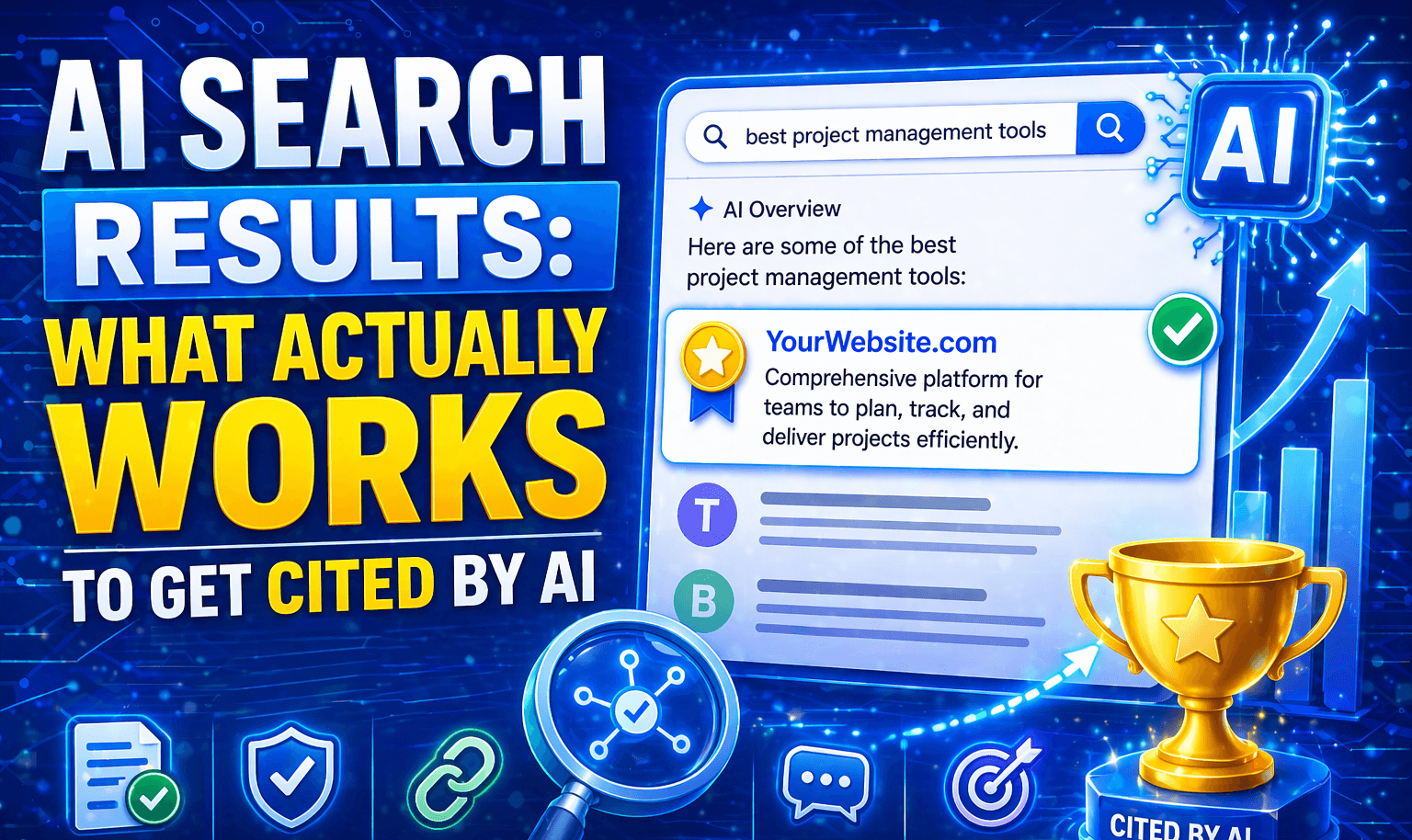
If your business consistently publishes authoritative, well-structured, and factually reliable content, you are far more likely to appear in those AI-generated answers. That is the essence of AI visibility in AI chats — it is about being part of the conversation before the conversation even happens.
Brands that invest in this now are building a form of digital equity that will compound over time. Those who ignore it risk being systematically excluded from one of the fastest-growing discovery channels in the history of the internet.
How AI Chat Tools Decide What to Reference
To improve your AI visibility in AI chats, it helps to understand what signals these tools respond to. Most LLMs are trained on huge datasets of web content, and some — like Perplexity and browsing-enabled ChatGPT — also retrieve live web content at query time. The common influencing factors include:
- Topical authority: Consistently publishing expert-level content in your niche signals depth and credibility.
- Factual accuracy and sourcing: Content backed by data, research, and credible external links
- Clear structure: Logical headings, concise paragraphs, and direct answers make content easier for AI systems to parse.
- Off-page brand mentions: Reviews, press coverage, guest posts, and third-party citations reinforce your authority signal.
- Recency: For real-time AI tools, fresh and updated content has a meaningful advantage.
Practical Steps to Improve Your AI Visibility in AI Chats
The good news is that improving your AI visibility in AI chats does not require an entirely separate strategy from your existing SEO. In many cases, it means deepening what you are already doing. Here is where to focus:
- Build a content hub around your core topics. Create pillar pages supported by detailed cluster articles. Topical depth signals authority to both search engines and AI models.
- Answer questions directly. Use H2 and H3 headings phrased as questions, and place the answer immediately after. Avoid burying the point in lengthy introductions.
- Earn mentions on third-party platforms. Press coverage, podcast appearances, expert quotes, and genuine reviews on platforms like G2 or Trustpilot all feed your off-page authority.
- Add structured data and schema markup. FAQ schema, Article schema, and How-To schema help AI crawlers understand and categorise your content more accurately.
- Keep content accurate and current. Outdated statistics and obsolete advice damage credibility. Schedule regular content audits on your most important pages.
- Write with E-E-A-T in mind. Author bios, credentials, original research, and first-hand experience add weight to your content in the eyes of both Google and AI systems.
How to Measure Your AI Chat Visibility
Unlike traditional SEO, there is no single dashboard that shows your AI visibility in AI chats at a glance — yet. That said, there are practical ways to track progress today:
- Manual testing: Regularly ask relevant questions on ChatGPT, Perplexity, Gemini, and Copilot — note whether your brand or content appears.
- Brand mention monitoring: Tools like Google Alerts, Mention, or Brand24 track.
- Emerging GEO platforms: Dedicated tools for tracking AI citation rates are beginning to emerge — a space worth watching closely.
- Indirect indicators: Growth in branded search traffic, direct traffic, and referrals from AI-enabled platforms can signal improving visibility.
The Brands That Win Will Start Now
We are at an early but critical inflexion point. Brands that invest in authoritative content, clear information architecture, and genuine topical expertise today are positioning themselves to dominate AI-generated answers for years to come.
The question is not whether AI chats will become a primary discovery channel—they already are for millions of users. The question is whether your brand will be part of that conversation. Start building your AI visibility strategy today. Your future audience is already asking AI the questions you should be answering.
FAQs
AI visibility in AI chats refers to how often and how prominently your brand, website, or content is referenced when users ask AI-powered tools — such as ChatGPT, Perplexity, or Gemini — questions relevant to your industry. The higher your AI visibility, the more likely an AI tool is to mention or recommend you in its responses.
Results vary depending on your niche and content quality. Real-time tools like Perplexity can reflect improvements relatively quickly after publishing strong content. For models with periodic retraining cycles, it may take several months. Consistency is the most reliable long-term strategy.
Traditional SEO focuses on ranking your pages in search results where users click links. AI chat visibility—often called GEO, or Generative Engine Optimization—focuses on getting your content cited within AI-generated answers, where users may never click through to a website at all. Both matter, but they require slightly different content strategies.
The most important tools to optimize for currently include ChatGPT (OpenAI), Perplexity AI, Google Gemini, Microsoft Copilot, and Claude (Anthropic). High-quality, authoritative, and well-structured content tends to perform well across all of them.