Earlier, users explored multiple websites, compared options, and formed their own opinions. Today, that process looks very different. Instead, users ask a question and rely on the answer they receive.
Because of this shift, trust no longer comes only from websites or ads. It now develops through AI tools.
What Is Brand Trust in the Age of AI Tools?
Brand trust means the confidence users have in a brand’s reliability, credibility, and relevance.
Traditionally, brands built trust over time through reviews, word of mouth, and repeated interactions. However, AI tools are speeding up this process.
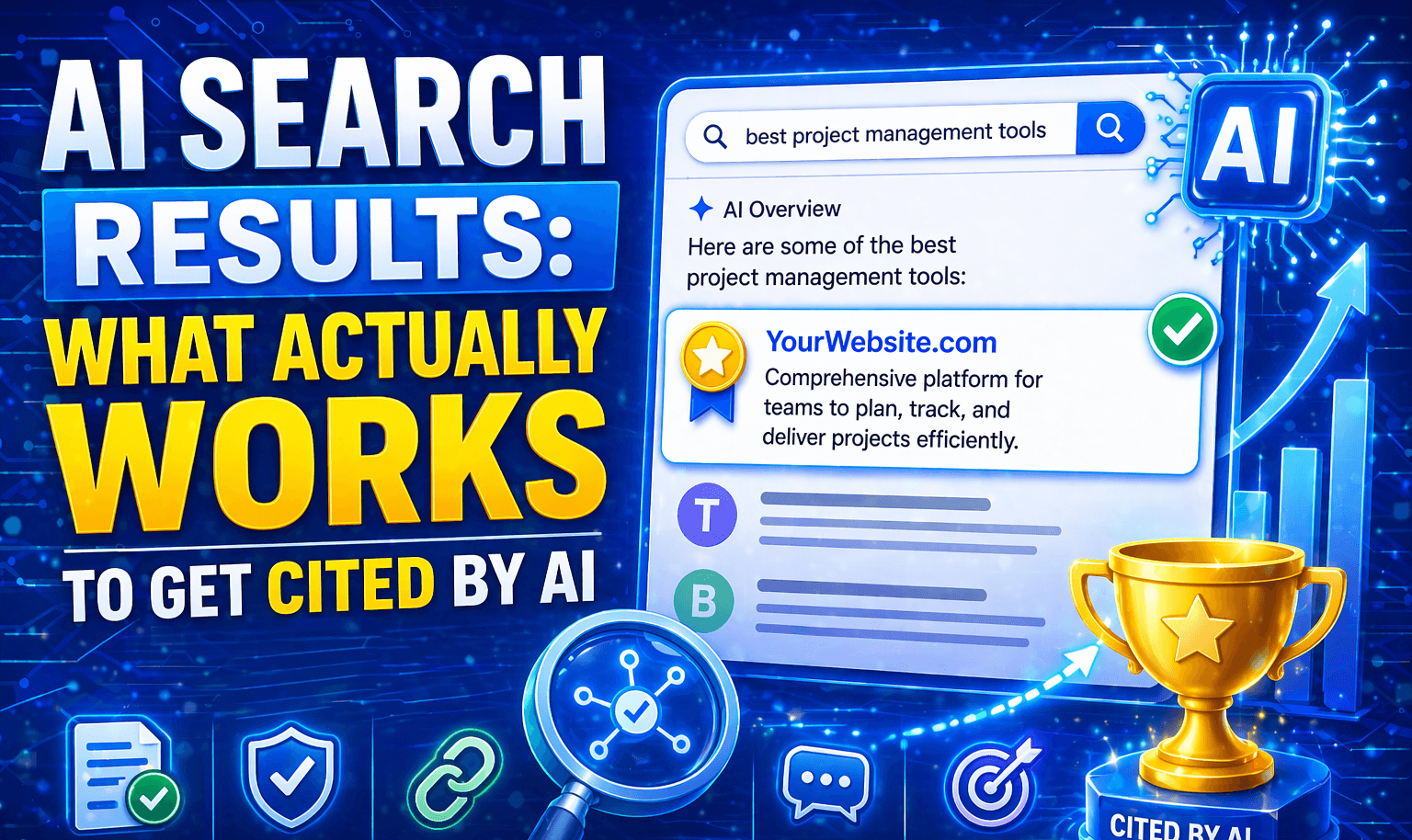
Tools like ChatGPT and Google Gemini now provide direct answers that often include a few recommended brands. As a result, users start trusting these brands instantly, even without prior interaction.
Why Users Trust AI Answers Instantly
One major shift is how quickly users trust AI-generated responses.
First, AI presents answers in a clear and structured format.
Second, it reduces the effort needed to compare multiple options.
Finally, it feels unbiased and data-driven.
Because of these reasons, users often assume that the recommended brands are the most reliable ones.
As a result, trust transfers from the AI tool to the brands it mentions.
How AI Tools Decide Which Brands Feel “Trustworthy”
AI tools do not select brands randomly. Instead, they rely on specific signals that indicate credibility and relevance.
Key Trust Signals
- Consistent mentions across multiple platforms
- Strong association with a specific category
- Clear and structured content
- High authority and positive reputation
Brands that perform well across these factors appear more frequently in AI-generated answers.
For example, when users search for productivity or design solutions, brands like Notion and Canva often appear. Over time, this repeated visibility strengthens their perceived trust.
To understand how AI systems generate such outputs, you can explore this guide:
https://www.ibm.com/topics/artificial-intelligence
The Hidden Challenge for Emerging Brands
While established brands benefit from this system, newer brands face a clear disadvantage.
Even if a product performs well, it may not appear in AI answers without strong trust signals.
Common Issues
- Limited online mentions
- Weak category positioning
- Lack of authority signals
- Inconsistent content
Because of these gaps, many brands fail to appear in AI-generated answers. As a result, users never consider them.
Why Brand Trust Now Starts Before the Click
Earlier, users built trust after visiting a website. However, this is no longer the case.
Now, users form trust before clicking anything.
When AI tools recommend a brand, users tend to accept it immediately. Therefore, the first impression no longer depends entirely on the brand’s website.
Instead, AI tools shape that perception.
Because of this shift, early-stage visibility has become more important than ever.
How Brands Can Build Trust in AI Tools
To stay competitive, brands must adapt to this new system.
Actionable Strategies
- Build strong category positioning
- Create clear and useful content
- Increase brand mentions across platforms
- Strengthen authority through reviews and backlinks
- Maintain consistent messaging
When brands follow these steps, AI tools are more likely to recognise and recommend them.
How LLMAudit Helps You Measure Brand Trust in AI Answers
Tracking brand trust inside AI tools is difficult without the right data.
LLMAudit helps businesses understand how their brand appears in AI-generated answers.
With LLMAudit, you can:
- Check whether your brand appears for key queries
- Compare visibility with competitors
- Identify missing trust signals
- Track improvements over time
As a result, businesses can move from guesswork to a data-driven strategy.
You can explore more here:
https://www.llmaudit.ai/blog/ai-search-explained-how-websites-get-ranked-and-cited/
Also read:
https://www.llmaudit.ai/blog/ai-audit-vs-seo-audit-whats-the-real-difference/
Why This Shift Matters
AI tools now play a major role in how users make decisions. Therefore, brands must adapt quickly.
Those that build strong trust signals will continue to appear in recommendations. On the other hand, brands that ignore this shift may lose visibility.
Conclusion
AI tools are reshaping how brands build trust. The process is now faster, more direct, and heavily influenced by AI-generated answers.
To stay relevant, brands must focus on building trust not only with users but also within AI systems.
By understanding these changes and using platforms like LLMAudit, businesses can improve their visibility and stay competitive.
FAQs
Brand trust in AI tools refers to how reliable and credible a brand appears when it is recommended in AI-generated answers.
Users trust AI recommendations because they are clear, fast, and feel data-driven.
They use signals like mentions, authority, relevance, and consistency.
Your brand may lack strong positioning, mentions, or authority signals.
LLMAudit helps track and improve your brand’s visibility in AI-generated answers.