There’s been a sharp rise in people searching for AI SEO tools, and it’s not surprising. As AI starts to reshape how people search, most marketers are trying to figure out how to stay visible. The obvious step is to look for tools that can help. Tools that promise better rankings, more traffic, and content optimised for AI-driven search.
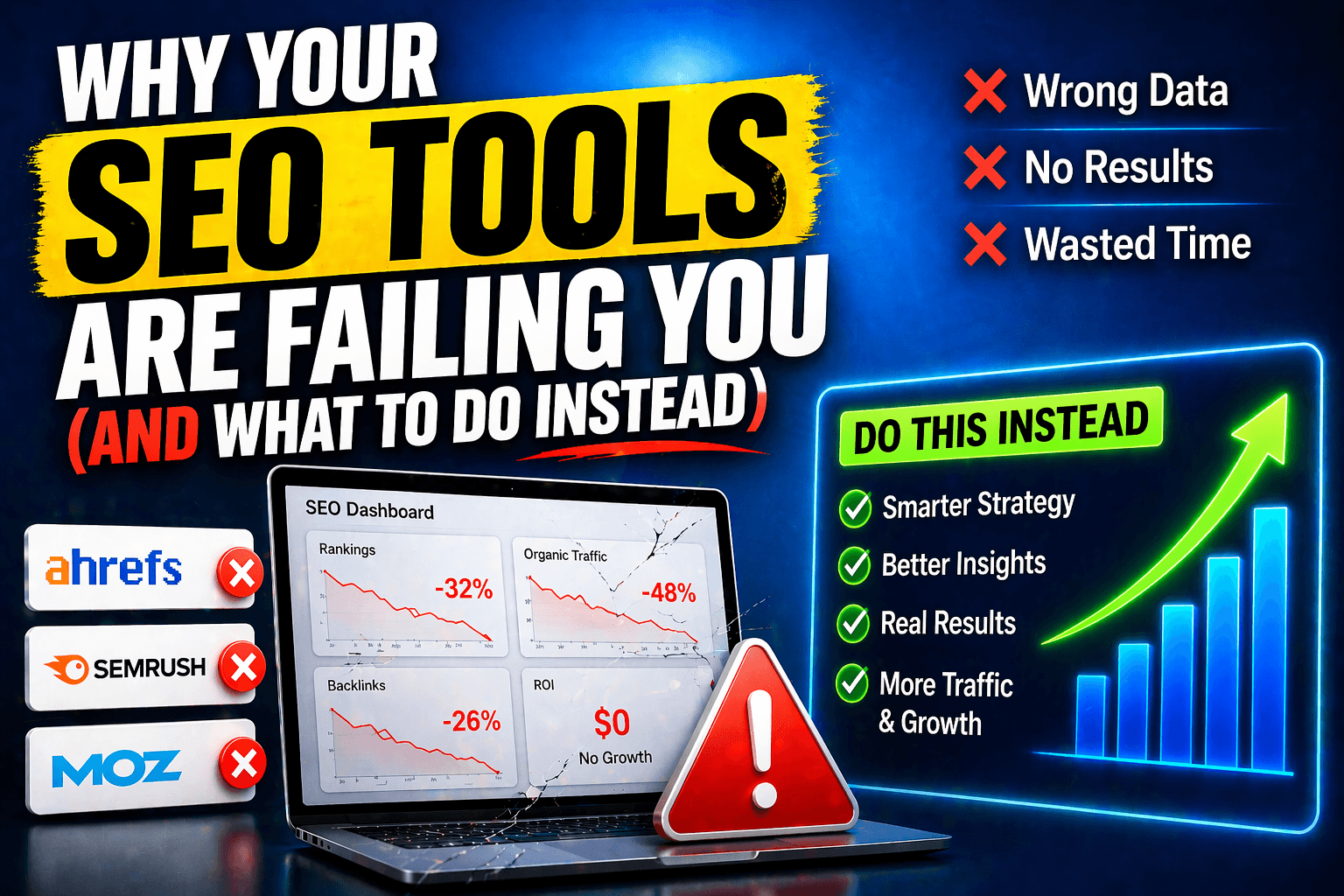
But something doesn’t quite add up. Even after using multiple AI SEO tools, many teams are seeing the same pattern. The effort is there, but the results aren’t. Traffic isn’t growing the way it used to, and in some cases, it’s even declining. It starts to feel like the strategy is off, or maybe the content isn’t strong enough.
The Shift Most People Haven’t Noticed
For years, SEO worked in a simple loop. You optimised your content, ranked higher on search engines, and users clicked through to your website. Visibility led directly to traffic. Most AI SEO tools are still built around this assumption.
But AI has quietly changed how this works.
When someone searches using tools like ChatGPT or other conversational platforms, they don’t get a list of links. They get a direct, structured answer. Once they have that answer, the journey often ends there. There’s no need to explore further or visit multiple websites.
This is where the disconnect begins.
Your Content Might Be Working, But You Can’t See It
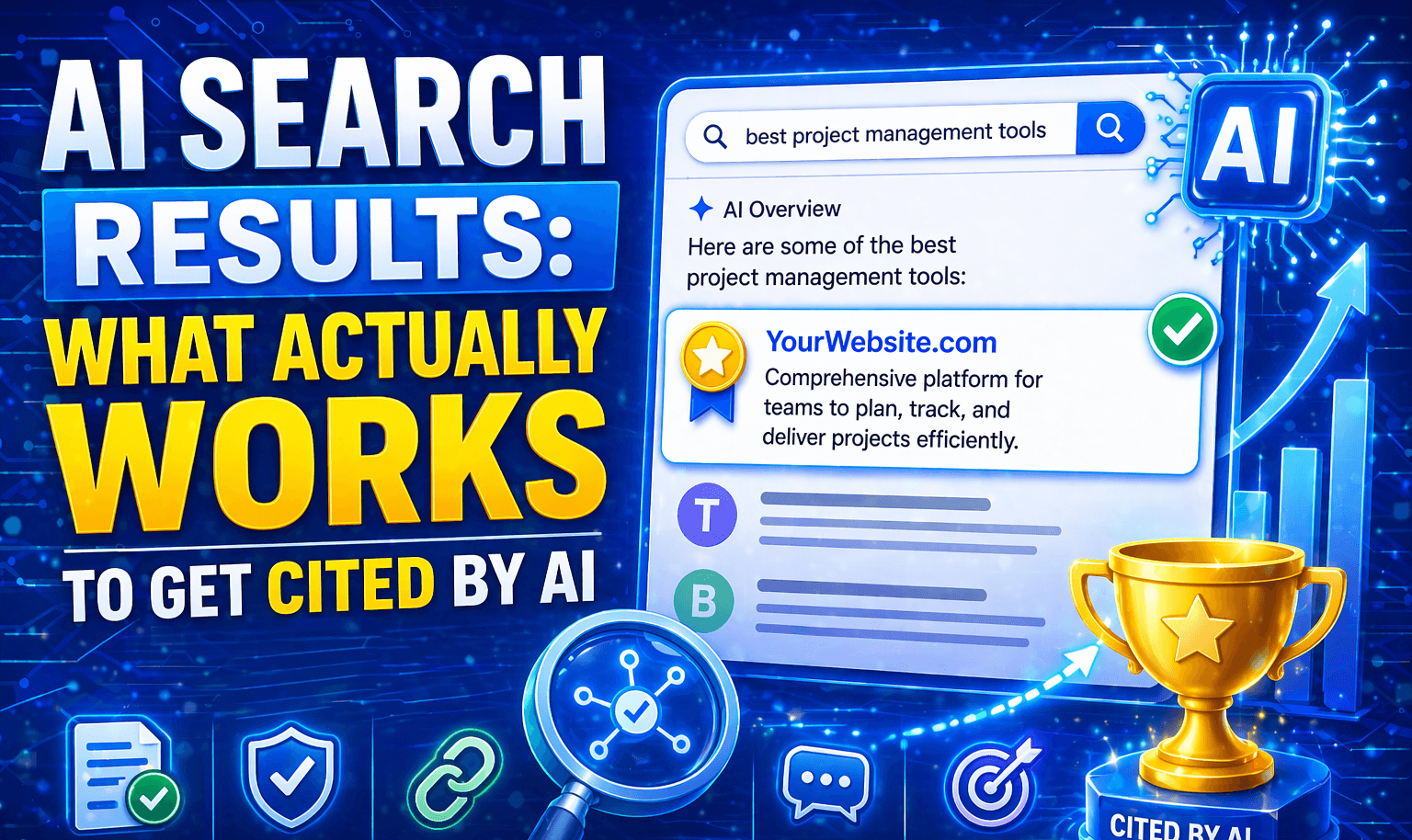
Your content may already be influencing those AI-generated answers. The way you explain concepts, structure information, and present insights can all feed into what AI produces. But the user never sees your brand, never clicks your link, and never visits your website.
From your analytics dashboard, it looks like nothing happened.
This is the blind spot most AI SEO tools don’t address. They help you create and optimise content, but they don’t show you whether your content is actually being used inside AI responses. They don’t tell you if your brand is being recognised or if a competitor is showing up instead.
So you end up optimising without visibility.
Why Traditional AI SEO Tools Fall Short
The problem isn’t that AI SEO tools don’t work. It’s that they’re solving only half the problem. They focus on creation and optimisation, but not on visibility inside AI systems. Without knowing how AI interprets your content, you’re essentially guessing what might work.
This is why many teams feel stuck. They’re doing everything right on the surface, but they don’t have insight into what’s happening behind the scenes.
What Actually Works in an AI-Driven World
The shift is subtle but important. It’s no longer just about optimising content. It’s about understanding whether your content is visible inside AI-generated answers. Because if it’s not being picked up, no amount of optimisation will drive results.
This is where LLMaudit becomes relevant in a very practical way.
Instead of focusing only on optimisation, LLMaudit helps you understand how AI sees your content. It shows you whether your content appears in AI answers, where your brand is mentioned, and how your visibility compares to competitors. More importantly, it helps you understand why certain content gets picked while others don’t.
Once you have that clarity, your entire approach changes. You’re no longer relying on assumptions. You can identify gaps, refine your content, and make decisions based on actual insights.
The Real Role of AI SEO Tools
At that point, AI SEO tools start working the way they were meant to. Not as standalone solutions, but as part of a broader strategy where visibility comes first. You’re not just creating content anymore. You’re creating content that is structured, understood, and selected by AI systems.
That’s the difference most teams miss.
They focus on producing more, when the real advantage comes from being visible in the right places.
Final Thought
So the question isn’t just which AI SEO tools you should use. The better question is whether you understand how AI is interpreting your content in the first place. Because once you can see that clearly, everything else becomes easier to fix.
And if you can’t, you’re simply optimising in the dark.
FAQs
AI SEO tools help create, optimize, and structure content using artificial intelligence. However, most still follow the traditional SEO model of ranking on search engines, not visibility inside AI-generated answers.
Because search behaviour has changed. Users are increasingly getting direct answers from AI platforms instead of clicking on links, which reduces website traffic even if your content is being used.
AI search visibility refers to how often and how prominently your content or brand appears within AI-generated answers on platforms like ChatGPT or other conversational tools.
Yes. Your content can be used to generate AI responses without users ever visiting your website. This creates a gap between actual influence and measurable traffic.
Because they are designed to optimize content for rankings and keywords, not to track whether AI systems are using or referencing your content in their answers.