AI answers are rapidly changing how people search for information online. Instead of browsing lists of websites, users now rely on AI-powered assistants that generate direct responses to their questions. Tools like ChatGPT and AI search engines analyze multiple sources and produce summarized answers instantly.
But the way people discover information online is changing dramatically.
As AI answers become the new gateway to online information, businesses must rethink how their content is discovered. Running an LLM audit helps identify whether your website is visible to AI systems and how it can improve its chances of being cited in AI-generated responses. Research from OpenAI also shows that large language models prioritize structured, authoritative content when generating answers.
Instead of browsing search results, users are increasingly turning to AI assistants that generate direct answers. Tools like ChatGPT, Perplexity, and AI-powered search engines analyze multiple sources and produce a single synthesized response.
This shift marks a fundamental change in digital discovery:
Search engines show links. AI systems give answers.
For businesses, this means traditional SEO is no longer enough. The real competition now is being cited inside AI-generated answers.
The Evolution of Online Discovery
The internet has gone through several phases of discovery. Understanding this evolution helps explain why AI answers are becoming dominant.
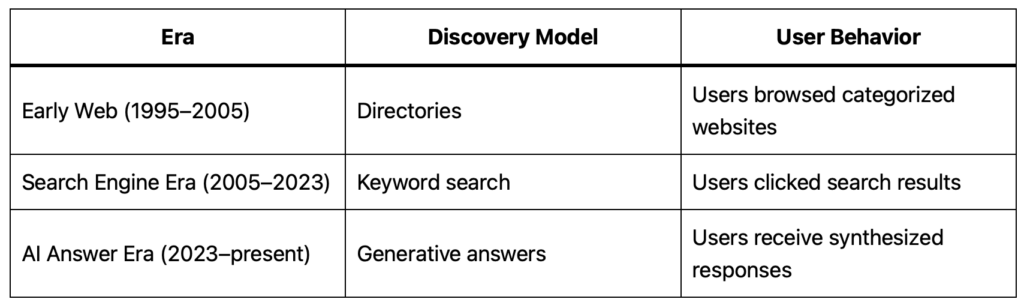
In the search era, success meant ranking on the first page of results.
In the AI era, success means being included in the AI’s answer.
How AI Answer Engines Work
AI-powered search tools use large language models and retrieval systems to produce answers. Instead of showing multiple websites, they perform a multi-step process.
AI Answer Generation Process
User Query
     ↓
AI retrieves relevant sources
     ↓
Content is evaluated for authority
     ↓
AI synthesizes information
     ↓
Final AI-generated answer
Only a small number of sources make it to the final answer.
This is why many websites that rank on Google may never appear in AI responses.
The Zero-Click Internet
One of the biggest consequences of AI answers is the rise of the zero-click internet.
A zero-click experience occurs when users get the information they need without visiting a website.
AI assistants accelerate this trend dramatically.
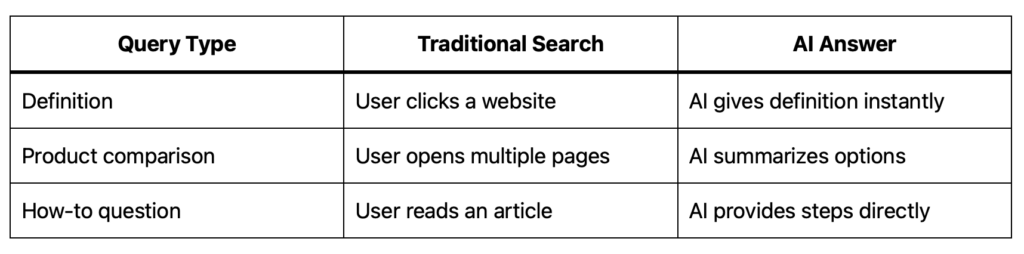
This means traffic patterns across the web are changing.
Instead of generating visits, content increasingly serves as training material for AI answers.
Why AI Answers Are Winning
Several factors explain why AI answers are rapidly replacing traditional search behavior.
1. Speed
AI systems deliver answers instantly. Users no longer need to open multiple websites to find information.
2. Convenience
Instead of browsing several articles, users receive a single, clear explanation.
3. Contextual Understanding
AI assistants understand natural language questions better than traditional search engines.
For example:
Search query:
best CRM software for startups
AI query:
What CRM software should a small startup use?
AI systems interpret intent, not just keywords.
The New Visibility Problem
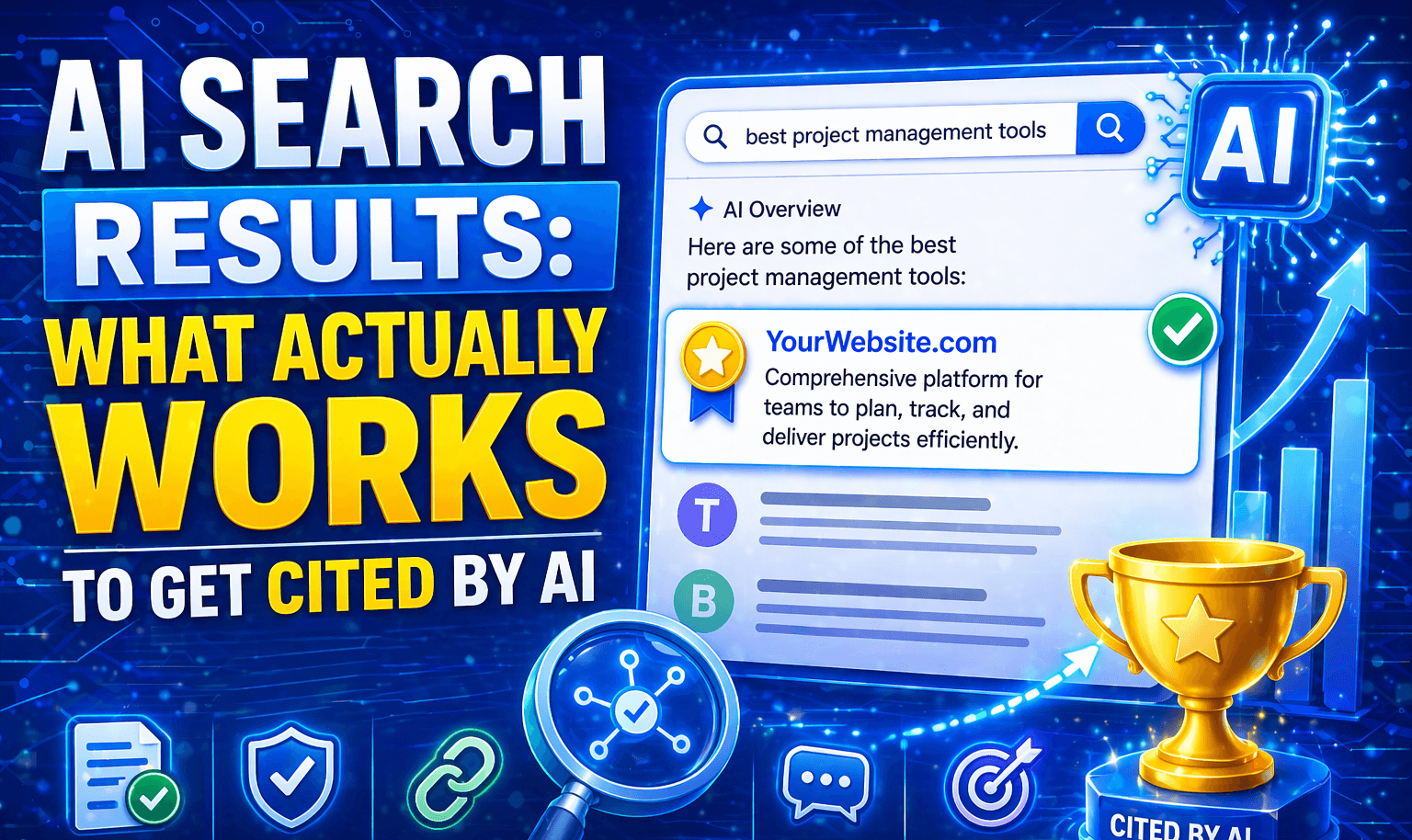
Because AI answers summarize information, they typically cite only a few sources.
Research across AI search tools shows that most responses reference three to five websites.
AI Citation Distribution
| Content Sources Available | Sources Cited in AI Answer |
|---|---|
| 1000+ pages discussing topic | 3–5 sources cited |
| Hundreds of useful articles | Often ignored |
| Smaller websites | Rarely included |
This creates a new challenge for businesses.
Even if your content is high quality, it may remain invisible to AI systems.
The Rise of Answer Engine Optimization (AEO)
To adapt to this shift, a new discipline has emerged:
Answer Engine Optimization (AEO).
AEO focuses on optimizing content so AI systems can understand, extract, and cite it when generating answers.
SEO vs AEO
| Factor | Traditional SEO | AEO |
|---|---|---|
| Goal | Rank in search results | Be cited in AI answers |
| Optimization | Keywords and links | Clarity and structure |
| User interaction | Click website | Read AI response |
| Content format | Long articles | Extractable insights |
In the future, businesses will need to combine both strategies.
The AI Content Selection Model
AI assistants typically evaluate content using several signals.
Key Signals AI Systems Analyze
| Signal | Description |
|---|---|
| Content clarity | Is the information easy to interpret? |
| Authority | Is the source trusted? |
| Structure | Can AI extract key insights? |
| Relevance | Does the content match the query? |
| Entity signals | Is the brand recognized online? |
Content that performs well across these signals has a higher chance of being cited.
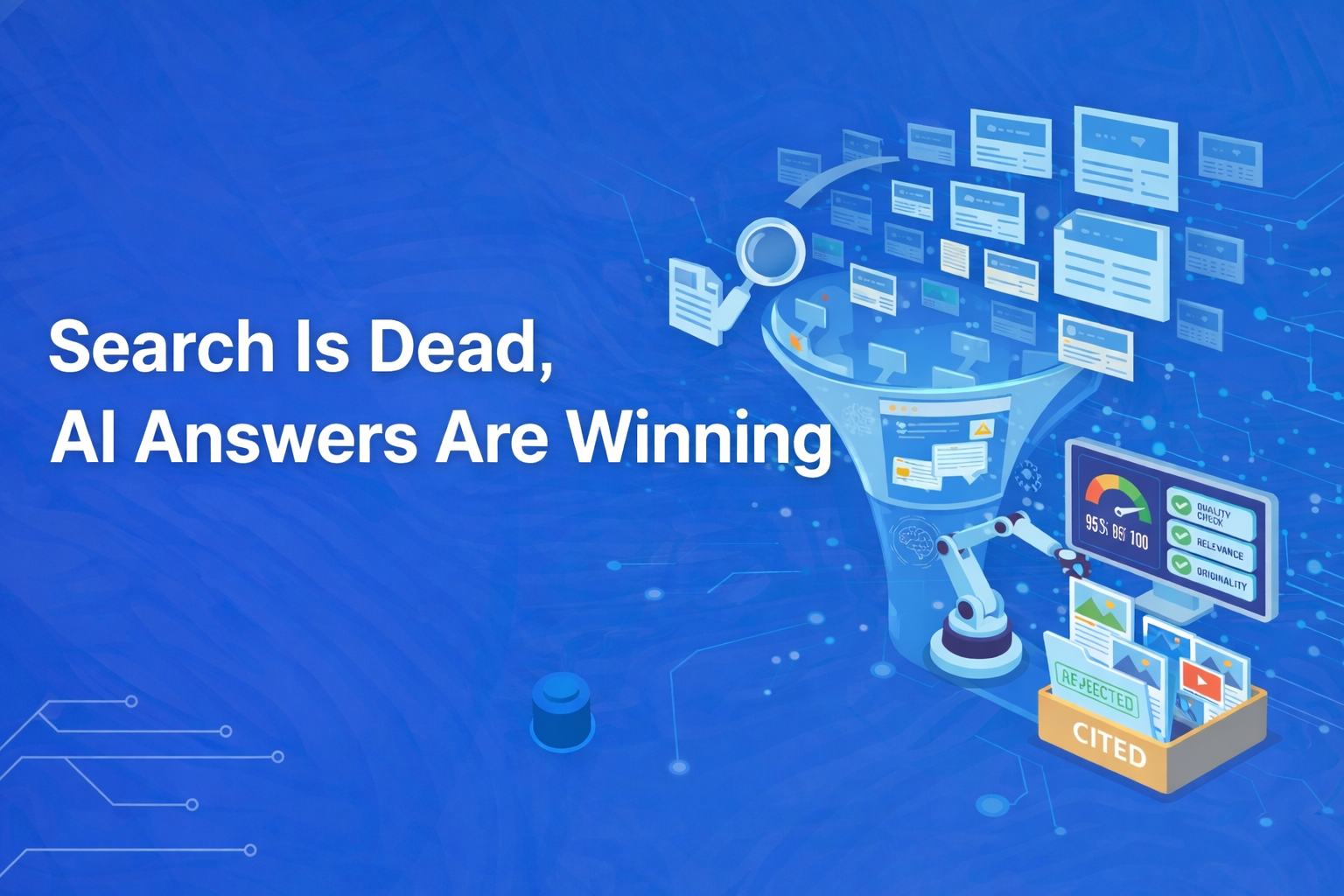
Diagram: How AI Chooses Sources
The following diagram illustrates how AI filters content before producing an answer.
Thousands of Web Pages
        ↓
Relevant Content Identified
        ↓
Authority & Credibility Check
        ↓
Structured Content Extracted
        ↓
3–5 Sources Used in AI Answer
Every stage reduces the number of potential sources.
This filtering process explains why AI citations are extremely competitive.
The Impact on Businesses and Publishers
The shift from search to AI answers affects how organizations attract customers online.
Key Impacts
| Impact | Explanation |
|---|---|
| Lower website traffic | AI answers reduce clicks |
| Higher authority concentration | Few sources dominate citations |
| Increased competition | Only a few sources are cited |
| Content strategy shift | Structured knowledge becomes critical |
Companies must rethink how they approach online visibility.
How Businesses Can Adapt
To remain visible in the AI answer era, organizations must optimize their content differently.
1. Structure Content for AI
Use formats that AI models can easily interpret:
- headings
- bullet points
- summaries
- tables
- FAQs
2. Build Strong Entity Authority
AI systems trust brands that appear consistently across the web.
This means building visibility through:
- research publications
- industry mentions
- thought leadership
3. Publish Topic Clusters
Instead of isolated articles, create multiple pieces of content around the same topic.
This improves topical authority.
4. Provide Clear Explanations
AI models prefer content that explains concepts clearly.
Definitions, step-by-step guides, and structured summaries increase citation probability.
The Future of Search
The shift from search engines to AI answers will likely accelerate over the next decade.
Instead of browsing websites, users may rely increasingly on AI assistants to navigate the web.
Future Discovery Model
| Stage | Example |
|---|---|
| User question | “What is the best AI SEO strategy?” |
| AI retrieves sources | Multiple websites analyzed |
| AI synthesizes answer | Information summarized |
| User receives response | AI-generated explanation |
In this model, AI becomes the gateway to the internet.
Key Takeaways
- The internet is moving from search engines to AI answer engines.
- AI assistants summarize information instead of displaying lists of links.
- Most AI answers cite only a few sources, creating intense visibility competition.
- Traditional SEO alone is no longer enough for digital discovery.
- Businesses must adopt Answer Engine Optimization (AEO) strategies to remain visible.
Final Thoughts
Search is not disappearing entirely, but its role is changing.
Instead of acting as a directory of websites, the web is becoming a knowledge layer that feeds AI systems.
In this new environment, success depends on whether AI assistants consider your content valuable enough to include in their answers.
The question businesses must now ask is no longer:
“Do we rank on Google?”
The real question is:
“Does AI mention us?”