Introduction:
AI assistants are reshaping how users access information. Instead of reading multiple websites, people now rely on AI systems to synthesize answers instantly.
Claude, developed by Anthropic, is gaining rapid adoption for research, decision-making, and knowledge discovery. It prioritizes trusted, structured, and contextually rich content when generating responses.
This shift means visibility is no longer only about search rankings — it’s about becoming a trusted source referenced by AI systems.
This guide explores tools that help improve your chances of appearing in Claude-generated answers by strengthening clarity, trust, authority, and machine understanding.
Why Claude Answer Visibility Matters
Claude synthesizes responses using credible and well-structured sources.
How Claude selects information
- evaluates factual reliability
- analyzes contextual meaning
- prioritizes clarity & structure
- favors authoritative sources
- considers completeness of coverage
Benefits of appearing in Claude answers
increased credibility and trust
higher brand authority
earlier discovery in user journeys
improved high-intent engagement
AI Answer Engine Usage Growth
AI Answer Engine Adoption

2022   ███
2023   ███████
2024   ███████████
2025   ███████████████
2026   ████████████████████
AI-generated answers are becoming a primary interface for knowledge access.
What Makes Claude Cite a Source?
Claude prefers content that demonstrates:
- contextual depth
- logical structure
- evidence-based information
- semantic clarity
- balanced, trustworthy explanations
Unlike traditional search, keyword density alone is not enough.
Top Tools to Help You Get Featured in Claude Answers
These tools improve clarity, structure, authority, and contextual understanding — key factors in AI citation selection.
1. LLMAudit.ai — AI Clarity & Citation Optimization
Best for: improving AI readability and trust signals
Key capabilities
- content clarity scoring
- semantic structure analysis
- authority & credibility evaluation
- AI citation readiness insights
Claude favors content that is structured, reliable, and easy to interpret.
2. Kafkai Semantic Optimizer — Contextual Content Enhancement
Best for: improving contextual coherence
Features
- semantic alignment analysis
- topic coherence optimization
- readability improvements
Helps AI understand content meaning more clearly.
3. TextRazor — Natural Language Processing & Entity Extraction
Best for: semantic entity recognition
Features
- entity extraction
- topic classification
- relationship detection
Entity clarity improves AI contextual understanding.
4. Schema Markup Generator (Merkle) — Structured Data Implementation
Best for: machine-readable structure
Features
- schema creation tools
- structured data validation
- enhanced context tagging
Structured data helps Claude interpret relationships and meaning.
5. Twinword Ideas — Intent & Semantic Relevance Analysis
Best for: understanding user intent
Features
- semantic keyword relevance
- user intent insights
- topic relevance scoring
Improves alignment with user questions.
6. BuzzStream — Authority & Credibility Signal Building
Best for: building trust and authority
Features
- outreach management
- credibility partnerships
- authority signal development
Trusted sources are more likely to be cited.
7. Surfer AI Detector & Content Editor — Quality & Clarity Assurance
Best for: improving clarity and content quality
Features
- readability scoring
- structural improvements
- quality optimization
Clear content is easier for AI to interpret.
8. Deepcrawl (Lumar) — Technical Accessibility & Structure
Best for: ensuring crawlability and technical clarity
Features
- site structure analysis
- crawl optimization
- indexing insights
Technical clarity ensures AI systems can access your content.
9. Glasp Knowledge Organizer — Knowledge Structuring & Insight Capture
Best for: organizing authoritative insights
Features
- knowledge highlighting
- research organization
- insight extraction
Structured knowledge improves contextual depth.
10. Scholarcy — Evidence & Research Summarization
Best for: strengthening evidence-backed content
Features
- research summarization
- citation extraction
- evidence highlighting
Claude prioritizes factual and evidence-supported content.
Tool Use Case Comparison
| Tool | Core Strength | Claude Benefit | Impact |
|---|---|---|---|
| LLMAudit.ai | AI clarity | trust & readability | citation readiness |
| Kafkai Semantic | coherence | contextual clarity | understanding |
| TextRazor | entity extraction | semantic meaning | relevance |
| Schema Generator | structured data | machine interpretation | clarity |
| Twinword | intent analysis | relevance | alignment |
| BuzzStream | authority building | credibility | trust |
| Surfer Editor | readability | clarity | interpretation |
| Deepcrawl | technical clarity | accessibility | crawlability |
| Glasp | knowledge structuring | depth | context |
| Scholarcy | research evidence | factual trust | authority |
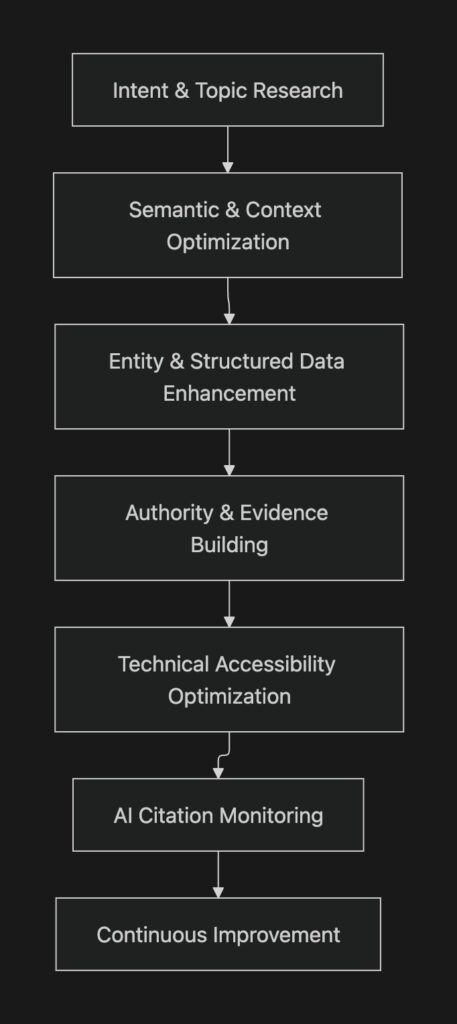
Workflow to Improve Claude Answer Inclusion
Key Factors That Improve Claude Answer Visibility
Contextual clarity
Clear explanations improve interpretation.
Evidence & factual support
Reliable sources build trust.
Logical structure
Well-organized content improves comprehension.
Entity relationships
Connected topics strengthen contextual relevance.
Authority signals
Credible sources increase citation likelihood.
Mistakes That Prevent Claude Visibility
- unclear explanations
- unsupported claims
- poor structure
- weak credibility signals
- incomplete coverage
Future of AI Knowledge Discovery
AI assistants are shifting search visibility from rankings to trusted knowledge inclusion.
Content that succeeds will be:
clear and structured
balanced and evidence-backed
semantically meaningful
authoritative and trustworthy
technically accessible
Organizations that optimize for AI comprehension will lead the future of digital discovery.
Conclusion
Appearing in Claude answers requires clarity, trust, and contextual depth — not just traditional SEO.
To improve your chances:
- use LLMAudit.ai to improve AI readability and trust signals
- strengthen entity clarity and structured data
- support content with credible research
- maintain technical accessibility
- ensure logical, balanced explanations