The Dashboard Lie
You check your GA4 dashboard—it shines. The traffic is stable, rankings are holding, and engagement looks healthy. By traditional SEO standards, everything appears to be working.
Then you try to search on ChatGPT: “What’s the best hair straightener?”
The response is clear and structured. A few tools are listed.
Your brand is not one of them.
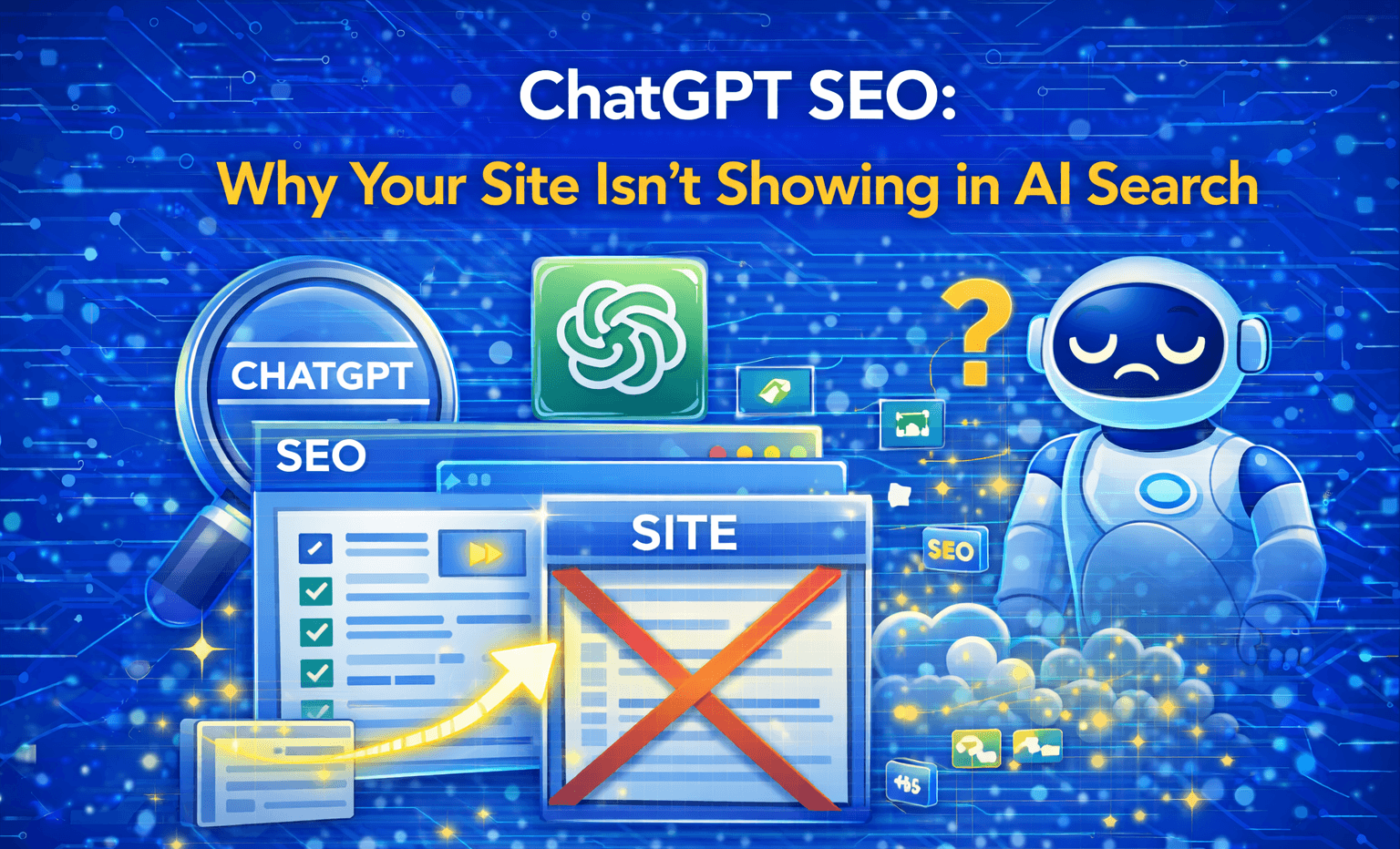
This highlights a growing disconnect. You are visible in search results, but not when users search on AI platforms to get answers. These are now two separate layers of discovery.
AI systems do not just retrieve content—they filter and select a few sources.
Your analytics dashboard does not capture this shift.
Your SEO is not broken. But your AI visibility might be dead.
Why Two Worlds Now Exist
The traditional SEO operated on a simple model. Google acted as a librarian—it indexed pages, ranked them, and directed users to websites. Success was measured through clicks and traffic.
AI systems follow a different model. They act as synthesisers. Instead of listing links, they read multiple sources and generate a single answer. As more users search , this behavior is becoming standard.
This creates a fundamental shift:
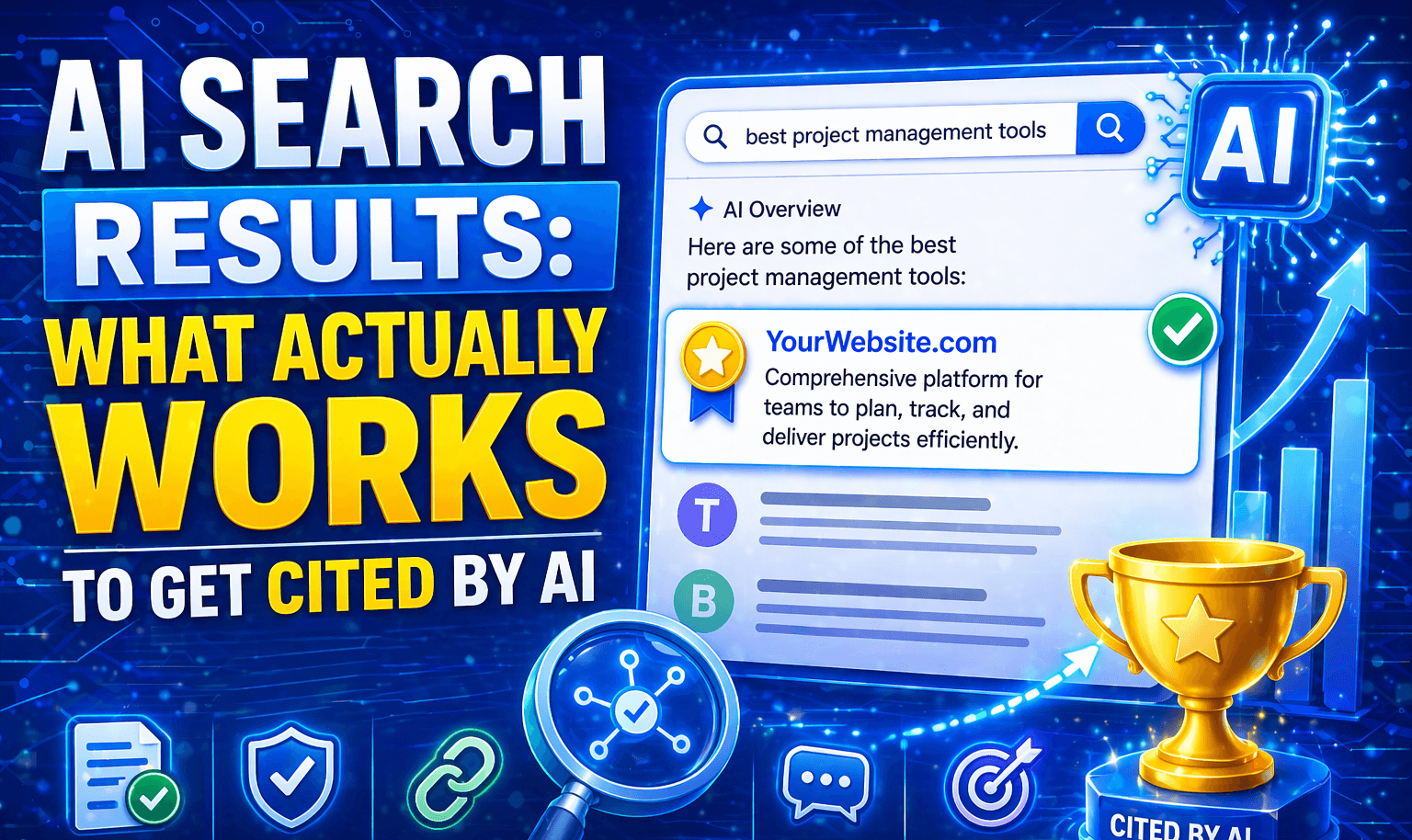
AI does not rank content; it cites it.
The impact is measurable. Around 60% of searches now end without a click, largely due to AI summaries. When users search, this can increase to 93% of interactions resulting in zero external visits.
However, the absence of clicks does not eliminate the value of content. But getting cited when users build brand recall and authority increases the chances of direct results later on.
Visibility is no longer limited to rankings.
It is defined by whether your content is included when users search with AI.
The Gap Nobody’s Measuring
What is AI Visibility?
AI visibility refers to how often your brand or content appears as a cited source when users search across platforms like ChatGPT, Perplexity, Gemini, and Google AI Overviews.
Why Traditional SEO Doesn’t Guarantee It
Traditional SEO metrics such as backlinks, domain authority, and traffic have limited impact on AI citations. AI systems prioritize:
- Clear, direct answers
- Structured and scannable content
- Contextual completeness
This reduces the reliance on traditional rankings. At the same time, many websites are not even accessible to AI systems—The Invisible Wall
Technical implementation plays a critical role in AI visibility.
Issues such as:
- JavaScript-heavy rendering
- Missing structured data
- Incorrect robots.txt configurations
can prevent AI systems from properly accessing content.
To an AI crawler, a complex frontend page may appear empty.
This leads to the Render-Ingest Gap-the difference between what users see and what AI systems can process. While users see a complete page, AI may not, especially when users search with and rely on ingested content.
What AI-Visible Sites Do Differently
AI-visible sites are not necessarily larger. They are aligned with how systems respond when users search with AI.
1. Technical Access
They ensure AI systems can access their content:
- AI crawlers are allowed
- Pages are server-side rendered or static
- Standards like llms.txt are supported
2. Structured Data
They use schema markup to define content clearly.
Pages with schema are 3x more likely to appear in AI Overviews, especially when users search.
3. Content Structure
They prioritise clarity:
- Direct answers appear early
- Content follows a clear hierarchy
- Information is concise and factual
4. Authority Signals
They build presence beyond their site on Reddit, Quora, and review platforms.
AI systems cross-reference multiple sources before selecting citations, particularly when users search with AI.
These practices shift visibility from ranking to selection in environments where users search with AI.
But First—You Need a Diagnosis
Before optimising, you need to understand your current position.
Most strategies assume your site is readable by AI. Often, it is not, especially when users search with AI and rely on machine-ingested content.
An AI readability audit evaluates:
- Crawlability
- Content ingestion
- Structure
- Presence in AI-generated answers
Tools like llmaudit.ai help measure how visible you are.
Before improving performance,
You need to confirm that AI systems can see your content when users search with AI.
FAQs
“Search with AI” refers to the use of tools like ChatGPT, Gemini, or Perplexity to get answers instead of browsing multiple search results.
Traditional search shows ranked results, while AI search provides a single direct answer, often without requiring users to click on websites.
Your content may not be structured, accessible, or authoritative enough for AI systems to select and cite it in their responses.
AI visibility is how often your brand or content appears in AI-generated answers when users search with AI across different platforms.
SEO helps with discoverability, but it does not guarantee visibility when users search with AI. Additional optimisation (GEO/AEO) is required.
Focus on structured content, clear answers, schema markup, and ensuring your site is accessible to AI crawlers.