Introduction
Ranking #1 on Google no longer guarantees visibility.
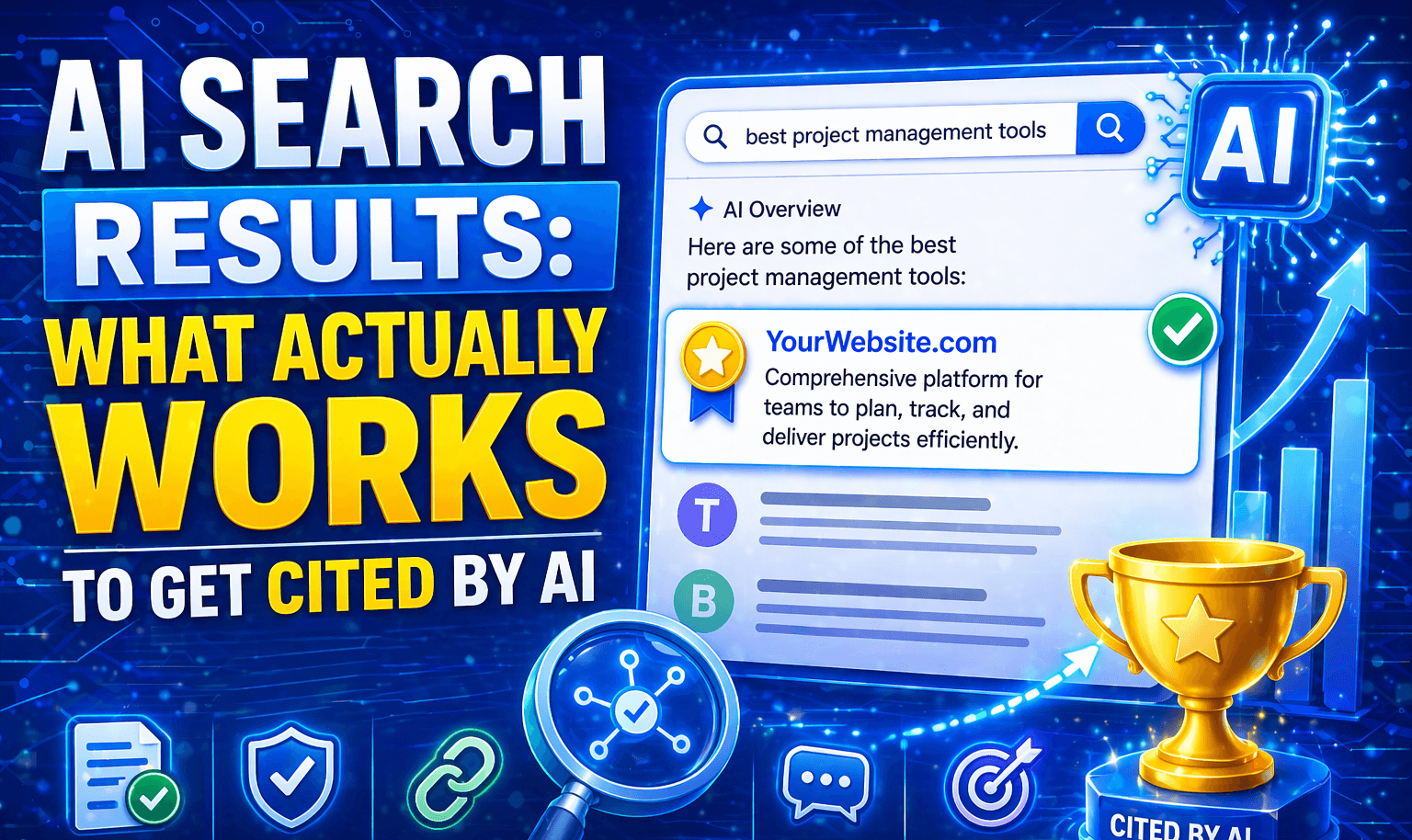
Today, when users ask platforms like ChatGPT or Perplexity for recommendations, these systems generate direct answers instead of showing search results. And more importantly—they cite sources selectively.
This creates a new gap in SEO:
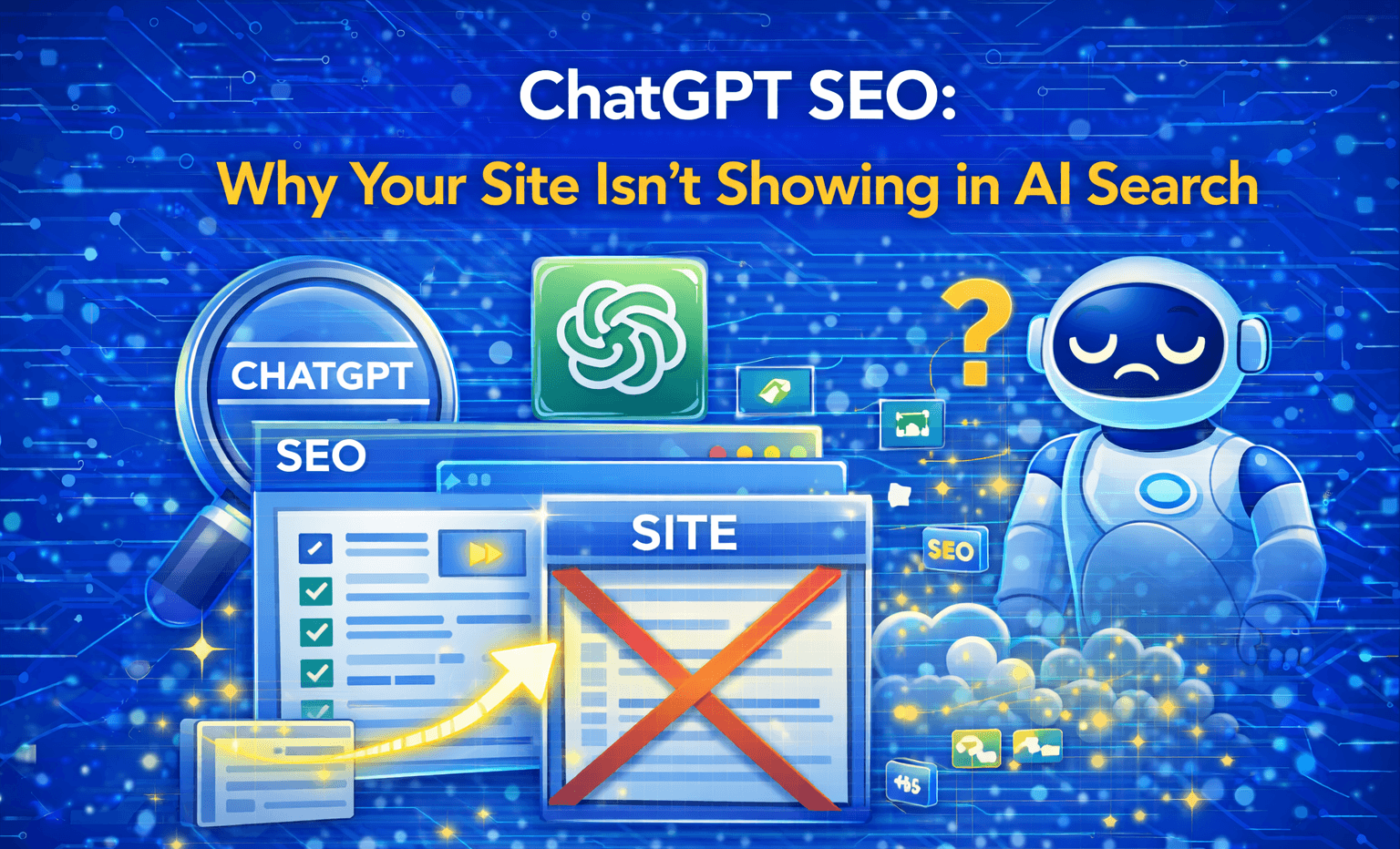
Your content may rank, but it may not get cited.
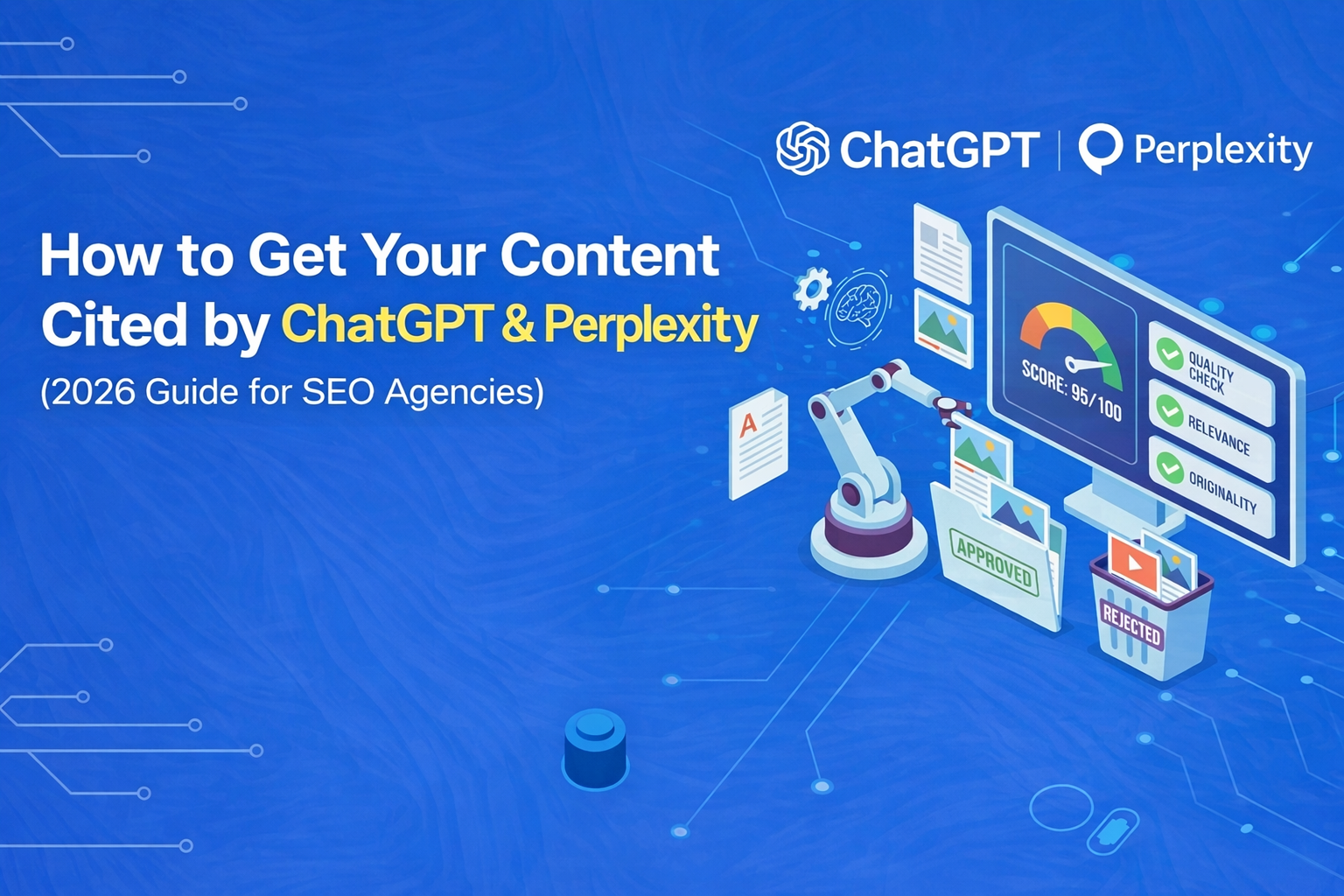
This guide explains how LLM citation works and how SEO agencies can systematically optimize content to appear in AI-generated answers.
Traditional SEO vs LLM Citation
| Factor | Traditional SEO (Google) | LLM-Based Systems (ChatGPT, Perplexity) |
|---|---|---|
| Output | Ranked links | Direct answers with citations |
| Core Metric | Rankings, traffic | Citation frequency |
| Key Signals | Backlinks, keywords, UX | Answer clarity, structure, extractability |
| Content Style | Long-form, keyword optimized | Concise, factual, structured |
Key Insight
LLMs prioritize answer-readiness, not just authority.
How LLM Citation Works
AI answer engines follow a simplified process:
- Identify the user query
- Retrieve relevant sources
- Extract the most direct answer
- Synthesize a response
- Cite selected sources
Visualization: Content Extraction Likelihood
High Citation Probability
│
│  Direct Answer (Top 3 lines) ██████████████
│  Structured FAQ             ████████████
│  Data-backed Content        ██████████
│  Long-form blogs            █████
│  Generic content            ██
│
└──────────────────────────────
What Makes Content Citable
1. Direct Answer Placement
Best Practice: Answer the query in the first 2–3 sentences.
| Weak Example | Strong Example |
|---|---|
| “In this article, we explore…” | “The top 3 ways to grow B2B traffic in 2026 are SEO case studies, LinkedIn content, and programmatic pages.” |
2. Factual Density
Include:
- Statistics
- Timeframes
- Named strategies
- Product-specific insights
3. FAQ-Based Structure
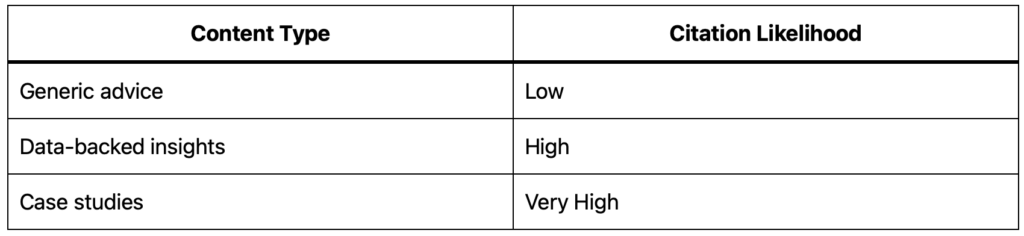
LLMs are trained on Q&A patterns.
Example:
Q: What is AEO?
AEO (Answer Engine Optimization) is the process of structuring content to be directly cited in AI-generated answers.
4. Entity Clarity
Clearly define:
- Brand
- Product
- Author expertise
| Element | Required? |
|---|---|
| Brand definition | Yes |
| Author bio | Yes |
| Consistent naming | Yes |
5. Schema Markup
Important schema types:
| Schema Type | Impact |
|---|---|
| FAQPage | High |
| Article | Medium |
| Organization | High |
| HowTo | Medium |
Crawlability: The Hidden Bottleneck
Many sites fail before optimization due to crawler restrictions.
Key AI Crawlers
| Platform | Crawler |
|---|---|
| OpenAI | GPTBot |
| Anthropic | ClaudeBot |
| Perplexity | PerplexityBot |
| Google AI | Google-Extended |
Common Issues
- robots.txt blocking bots
- JavaScript-only rendering
- Missing sitemap updates
LLM Optimization Workflow (Agency Framework)
Step 1: Audit Current Visibility
Identify:
- Which pages are cited
- Which competitors dominate
Step 2: Query Mapping
Map 20–30 high-value queries to content.
| Query Type | Example |
|---|---|
| Informational | “Best B2B marketplaces in India” |
| Comparison | “IndiaMART vs Udaan” |
| Transactional | “Top suppliers platform India” |
Step 3: Content Restructuring
Add:
- TL;DR at top
- FAQ section
- Structured headings
Step 4: Fix Technical Issues
Checklist:
- robots.txt allows AI bots
- Pages are server-rendered
- Sitemap updated
Step 5: Track Citation Metrics
KPI Shift
Old SEO Metrics:
Traffic ███████████
Rankings █████████

New AEO Metrics:
Citations ████████████
Answer Visibility ███████████
Example: Before vs After Optimization
| Element | Before | After |
|---|---|---|
| Intro | Generic | Direct answer |
| Structure | Paragraph-heavy | Q&A format |
| Data | Minimal | Statistics included |
| Schema | Missing | FAQ schema added |
| Result | Not cited | Frequently cited |
The AEO Opportunity for Agencies
Most agencies still focus only on:
- Rankings
- Traffic
But the future includes:
- LLM citations
- Answer visibility
- AI-driven discovery
Market Shift Insight
2023: SEO-driven discovery
2025: Hybrid (SEO + AI)
2026+: AI-first discovery
Agencies that adapt early will:
- Retain clients longer
- Offer premium services
- Dominate emerging search channels
FAQ Section
What is LLM citation?
LLM citation is when AI tools like ChatGPT reference your content as a source in generated answers.
Why is my content not being cited?
Because it may lack direct answers, structured formatting, or crawlability for AI bots.
How long does it take to see results?
Typically 4–6 weeks after restructuring content.
Is traditional SEO still important?
Yes, but it must be combined with AEO strategies.
Conclusion
The shift from search engines to answer engines is already happening.
The key difference:
- Google ranks pages
- LLMs cite answers
If your content is not structured for extraction, it will not be cited—no matter how high it ranks.
Run a free llm audit